
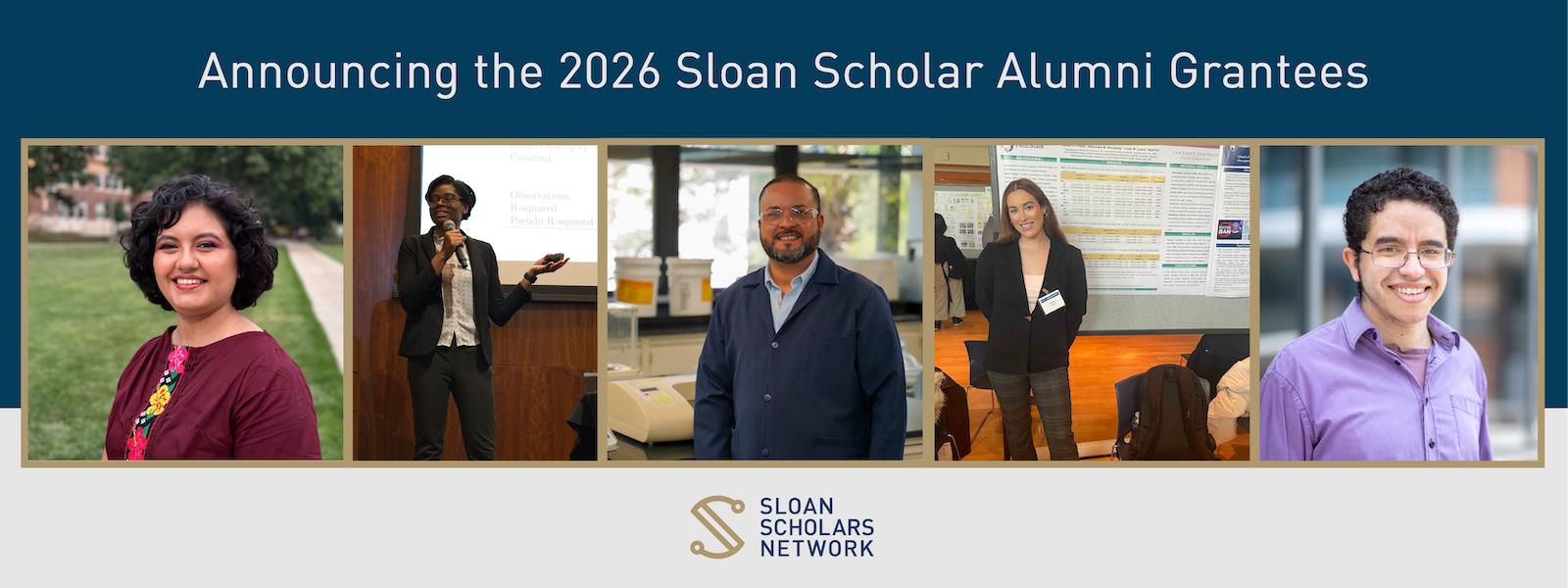
Announcing the 2026 Sloan Scholar Alumni Grantees
The 2026 Sloan Scholar Alumni Grants continue the annual grant program for Sloan Scholar alumni, formerly called the SSMN Grants, that has existed since 2019. In its eight years, the program has funded more than 300 proposals, supporting Sloan Scholar alumni as they explore new scientific research avenues, travel for field research, attend advanced trainings, arrange formal mentorships, and present their work at conferences and disciplinary society meetings.
This spring brought another rigorous competition cycle and showcased ambition, creativity, rigor, and talent across the application pool. With the support of the Alfred P. Sloan Foundation, the Sloan Scholars Network awarded more than $130,900 in research seed, career development, and conference travel funding for alumni in 2026, including 18 travel grants — the most in any grant cycle to date.
The 2026 Sloan Scholar Alumni Grantees are investigating ecological phenomena, artificial intelligence, patient-centered health care, student success, and more. They will present their research across the U.S., Canada, and beyond, with some traveling as far as Japan and Northern Ireland.
Read on to learn about the wide array of funded projects, and please join us in celebrating this year's 29 Sloan Scholar Alumni Grantees!
Research Seed Grants (up to $10,000)
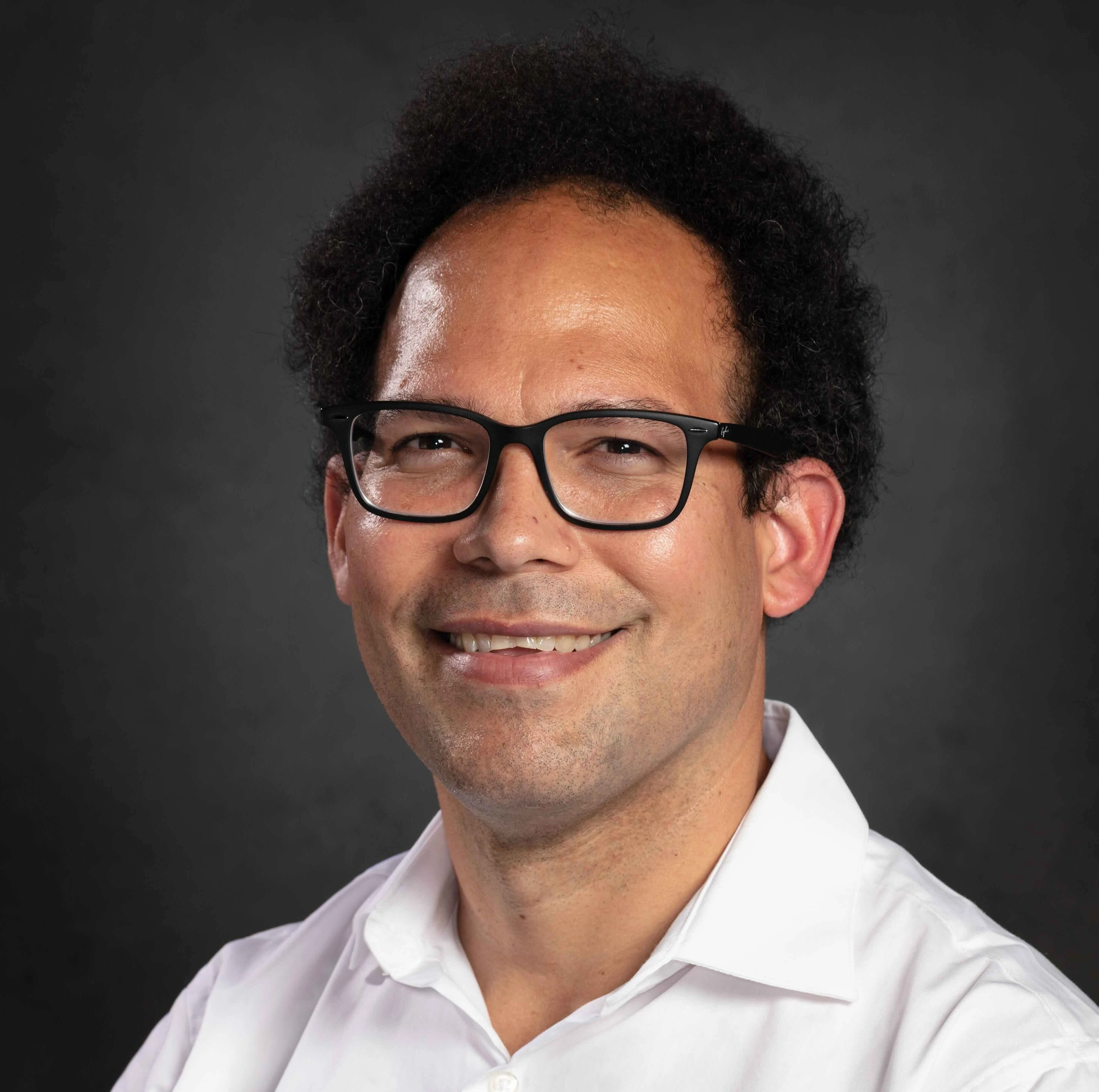
Instructional Associate Professor, University of Mississippi Sloan Scholar PhD in Biology The Pennsylvania State University |
Disentangling the Hidden Diversity in the Tropical Pisonia Birdcatcher Trees (Nyctaginaceae) "The plant genus Pisonia in Nyctaginaceae comprise approximately 25 species of tropical trees and woody vines distributed worldwide. Pisonia trees are well-known for colonizing newly formed islands after volcano activity in the Pacific Ocean. Their ability to reach remote islands is due to an innovation on their fruits, whose glands secrete a sticky substance that glue them to seabird feathers. However, birds can get tangled in clusters of these infamous sticky fruits; hence, Pisonia trees are also known as “birdcatcher trees”[1-4]." This project intends to "disentagle two species complexes in Pisonia trees using modern genomic approaches. This project is important to determine the number of species and distribution, which will be the foundation for a future NSF grant exploring species diversification on island systems."
|
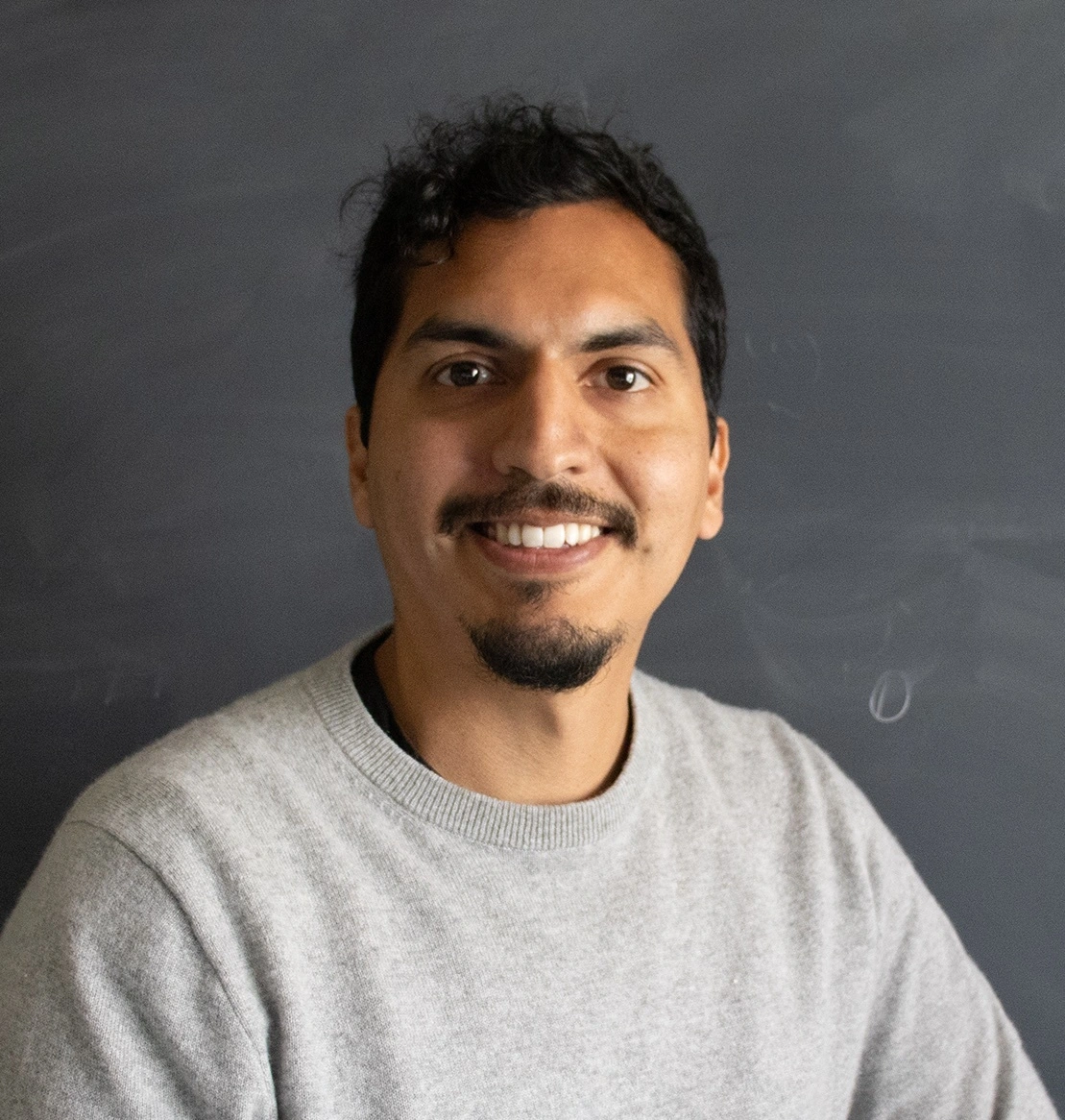
Assistant Professor, University of Virginia Sloan Scholar PhD in Mechanical Engineering Cornell University |
Aligning AI Trust-Repair Strategies with Human Fairness Norms in Healthcare Teams “Artificial intelligence (AI) agents are increasingly deployed in emergency medicine and hospital settings, where they support clinicians by coordinating tasks, delivering supplies, or allocating attention during high-pressure shifts. In these environments, algorithmic decisions can unintentionally violate human expectations of fairness. For example a support robot assigned to deliver equipment during an emergency department shift may repeatedly prioritize one nurse's requests over another's. Such perceived unfairness can erode trust and disrupt team coordination. While organizational psychology shows that recovery behaviors like explaining actions can repair trust, current AI agents still lack the sophisticated methods to perceive and generate such context-sensitive responses. This project will first identify trust repair strategies by collecting human responses to fairness violations in simulated emergency medicine scenarios. It will then develop theory-guided prompting methods that align Large language Model-generated recovery responses with human trust-repair norms."
|
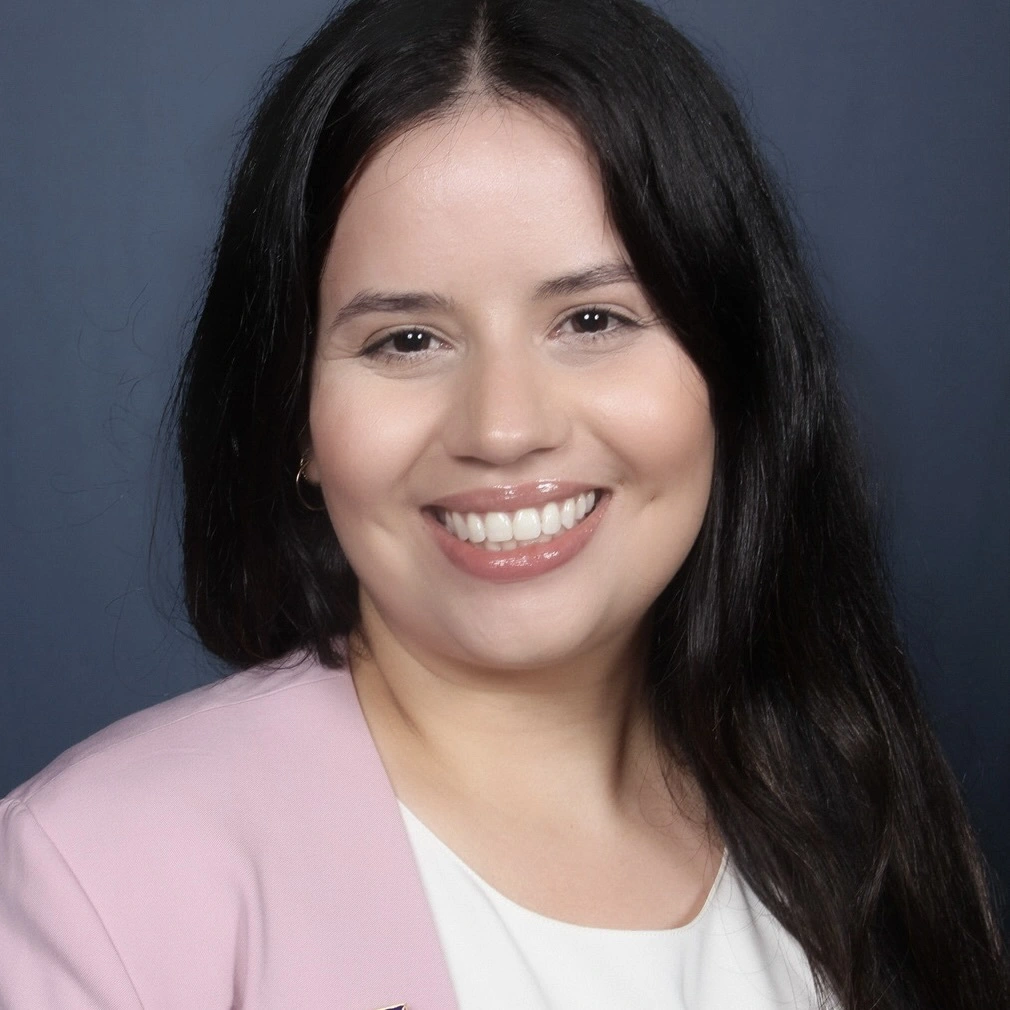
Postdoctoral Fellow, Georgia Institute of Technology Sloan Scholar PhD in Biomedical Engineering, Georgia Institute of Technology |
Establishing a Patient-Specific iPSC Platform to Model Somatic Mosaicism in Lymphatic Malformations “Lymphatic malformations (LMs) are rare pediatric vascular anomalies caused by somatic mutations that disrupt lymphatic endothelial cell (LEC) function and produce genetically mosaic lesions. Despite advances in sequencing technologies, experimental models that recapitulate the patient-specific mutation landscape of LMs remain limited. Most in vitro systems rely on commercial endothelial cells or animal models that fail to capture the genetic heterogeneity driving disease progression and therapeutic response. This project will establish a patient-specific stem cell platform for LM research by reprogramming fibroblasts from LM patients into induced pluripotent stem cells (iPSCs) and differentiating them into lymphatic endothelial cells (iLECs). Resulting cells will be validated using lymphatic markers and targeted sequencing to confirm retention of disease-associated mutations. Establishing this pipeline will generate a renewable cellular platform for modeling vascular anomalies and investigating mutation-specific endothelial dysfunction. These data will support future studies of therapeutic response and an NIH K01 submission focused on patient-specific vascular anomaly modeling."
|

Assistant Professor, University of California Irvine Sloan Scholar PhD in Statistics The Pennsylvania State University |
Toward Credible Personalized Medicine: Interpretable Causal Machine Learning for Treatment Effect Heterogeneity “Treatment effect heterogeneity — the phenomenon by which individuals respond differently to the same intervention — is central to precision medicine yet remains difficult to characterize reliably. Tree-based methods are among the most widely used tools for identifying patient subgroups with differential treatment responses, but they suffer from two well-documented problems: instability (small data perturbations yield qualitatively different results) and overfitting (trees grow too complex for clinical interpretation). This project develops two complementary statistical methods to address these limitations: (1) a tree aggregation procedure that constructs a stable consensus subgroup tree from an ensemble, and (2) an optimal pruning algorithm grounded in mixed integer programming that mitigates overfitting while accommodating flexible loss functions and clinically informed constraints. Both methods are model-agnostic, applicable to any black-box treatment effect model, and will be released as open-source R and Python software with accessible Shiny interfaces for non-programming clinicians."
|
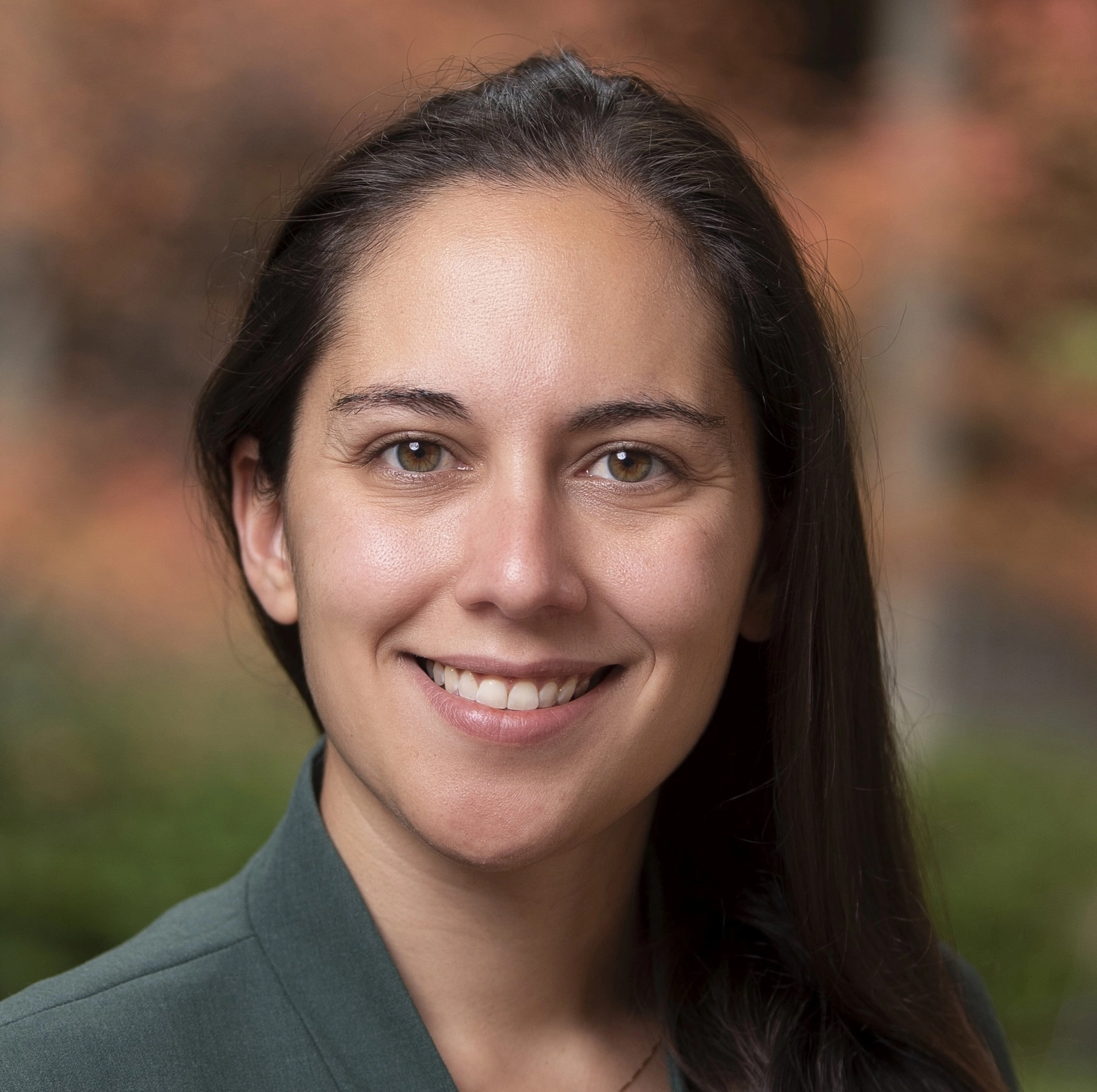
Assistant Professor, Georgia Institute of Technology Sloan Scholar PhD in Biomedical Engineering Georgia Institute of Technology |
Developing a Microphysiologic Model of Vessel Dysfunction in Aging “As we age, our tissues become stiffer and some of our cells enter a senescent cell state where they alter the local microenvironment's stability. Using a microphysiologic device that develops microvasculature, we will alter the tissue culture conditions to study how age-related changes in tissue stiffness and cellular senescence alter the development and stability of vasculature. Understanding how these hallmarks of aging impact vessel growth and function is important to advancing our understanding of how to better treat wounds or diseases where vessel dysregulation impacts the overall health of tissues."
|
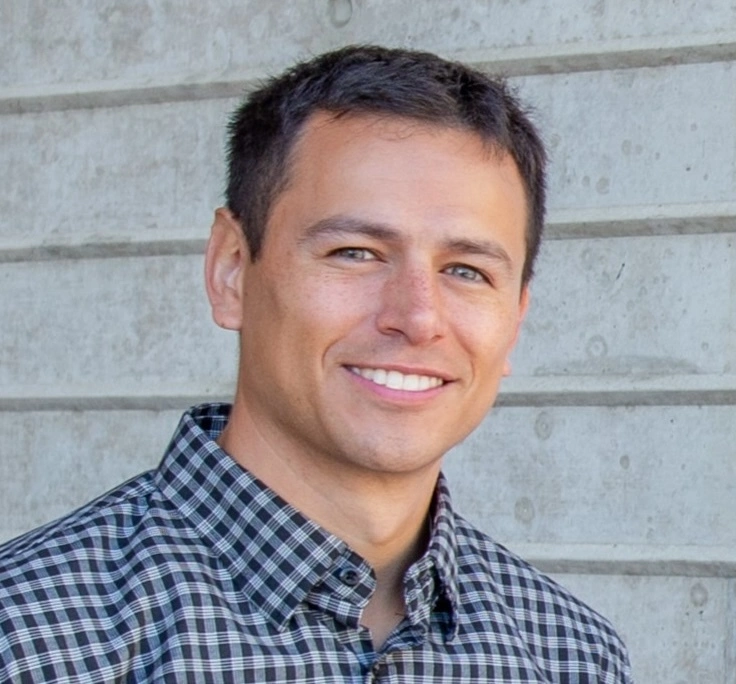
Assistant Professor, University of California Santa Barbara Sloan Scholar PhD in Mechanical Engineering Massachusetts Institute of Technology |
Manipulation of Fluid-Surface Dynamics via Additive Manufacturing of Micro-Scale Features “Control of fluid-surface interactions through intentional engineering of flow-facing structures promises to improve vehicle performance through drag reduction, prevention of flow separation, and control of laminar-to-turbulent transitions. To achieve these performance gains, a fundamental understanding of additive manufacturing methodologies for generating complex engineered structures coupled with fluid physics over heterogeneous and multi-scale interfaces is required. We envision a multidisciplinary approach combining materials, manufacturing, and computational and experimental fluid dynamics, to explore the micro- and macroscopic influence of engineered material surfaces on fluid flow. The objective of this seed grant is to provide preliminary results relating material processing, microstructure, and relevant structural properties for polymers and metals processed via powder bed fusion (PBF) additive manufacturing. To predictably engineer surface and sub-surface features, our approach couples tailored parameter development for PBF with multi-scale characterization."
|

Assistant Professor, University of Georgia Sloan Scholar PhD in Civil Engineering The Pennsylvania State University |
Adaptive Robotic Control for 3D Concrete Printing using Deep Reinforcement Learning and Digital Twin Environments “Current 3D concrete printing (3DCP) processes rely on predefined toolpaths (directions) and limited control, making them vulnerable to uncertainties such as material variability, rebar obstacles, and site irregularities. Here robotic concrete printing is mathematically modeled as a sequential decision process where a deep reinforcement learning agent adjusts toolpath execution through adaptive robotic control using camera and sensor feedback. Building on a preliminary 2D printing environment with stochastic extrusion variability and obstacle avoidance trained using Deep Q-Networks, this work will develop a digital twin environment that captures layer-by-layer printing, structural stability, and material behavior. The agent will learn to adapt toolpaths, regulate extrusion parameters, and avoid obstacles while maintaining geometric and structural fidelity to the digital design. By integrating perception, digital twin simulation, and adaptive control, the project advances smart, advanced construction technologies capable of safe, resilient, and autonomous large-scale additive manufacturing."
|
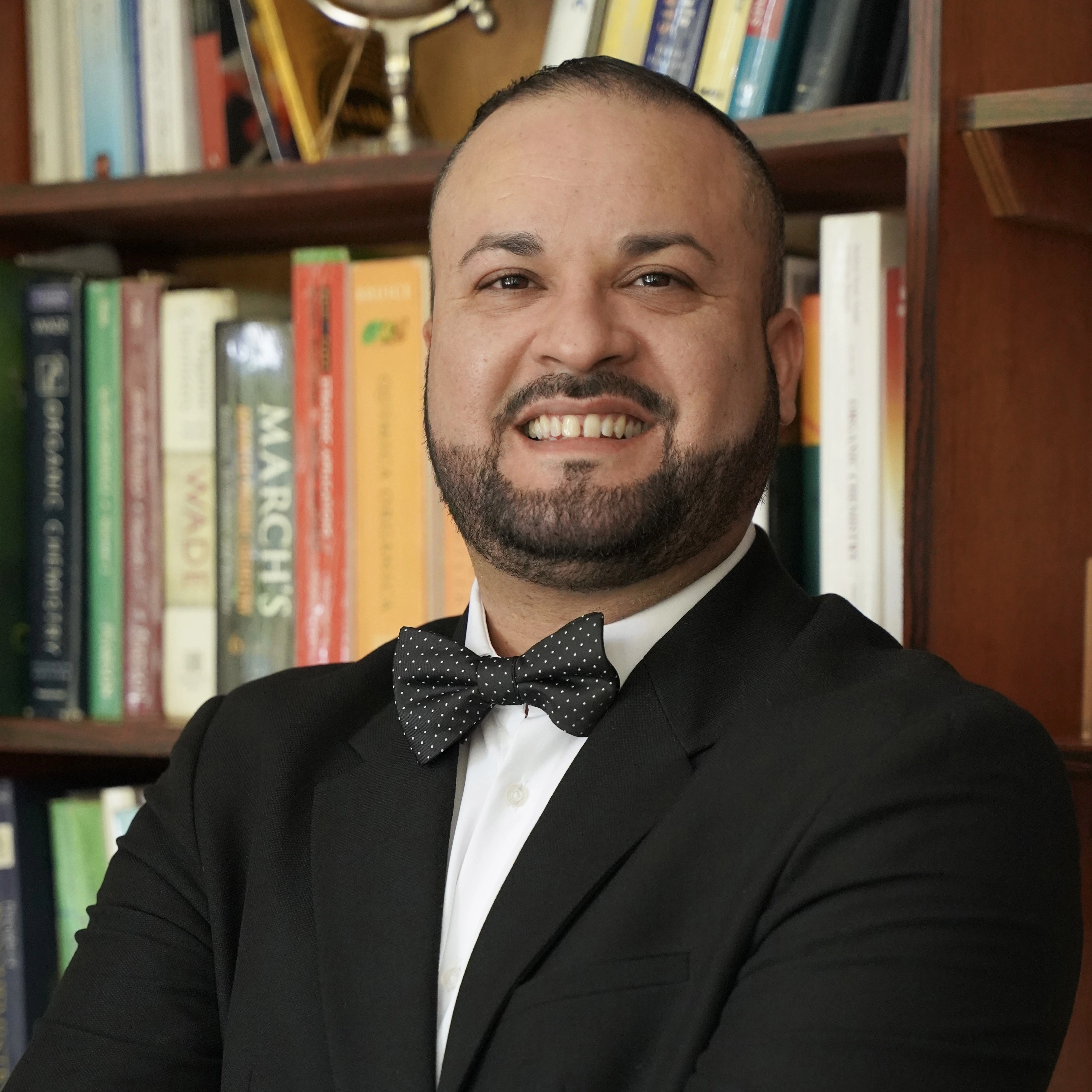
Assistant Professor, University of Puerto Rico - Rio Piedras Sloan Scholar PhD in Chemistry University of Puerto Rico - Rio Piedras |
Research-Based Redesign of Undergraduate Organic Chemistry Laboratories through the Integration of Green Chemistry Principles and Metrics “The primary goal of this project is to redesign undergraduate Organic Chemistry laboratory experiments to integrate Green Chemistry principles and metrics. Building on prior curricular innovations and research outcomes developed in our chemical education research laboratory, two pilot experiments will be developed and implemented: (1) the catalytic evaluation and solvent-free synthesis of benzoylferrocene, and (2) the green chemistry evaluation of cyclohexene synthesis under different reaction conditions. Both experiments will incorporate safer solvents or solvent-free conditions, benign reagent selection, microscale setups, and green chemistry metrics. The project will develop and validate assessment instruments to measure student learning, sustainability awareness, and the application of green chemistry metrics through pre/post-tests, laboratory assignments and reports, and rubrics. Seed funding will support undergraduate research assistants engaged in experimental optimization, implementation, data collection, and analysis. Outcomes will include scalable laboratory modules, peer-reviewed dissemination, and preliminary data to support future external funding (e.g., NSF)." |
_____
Career Development Grants (up to $5,000)
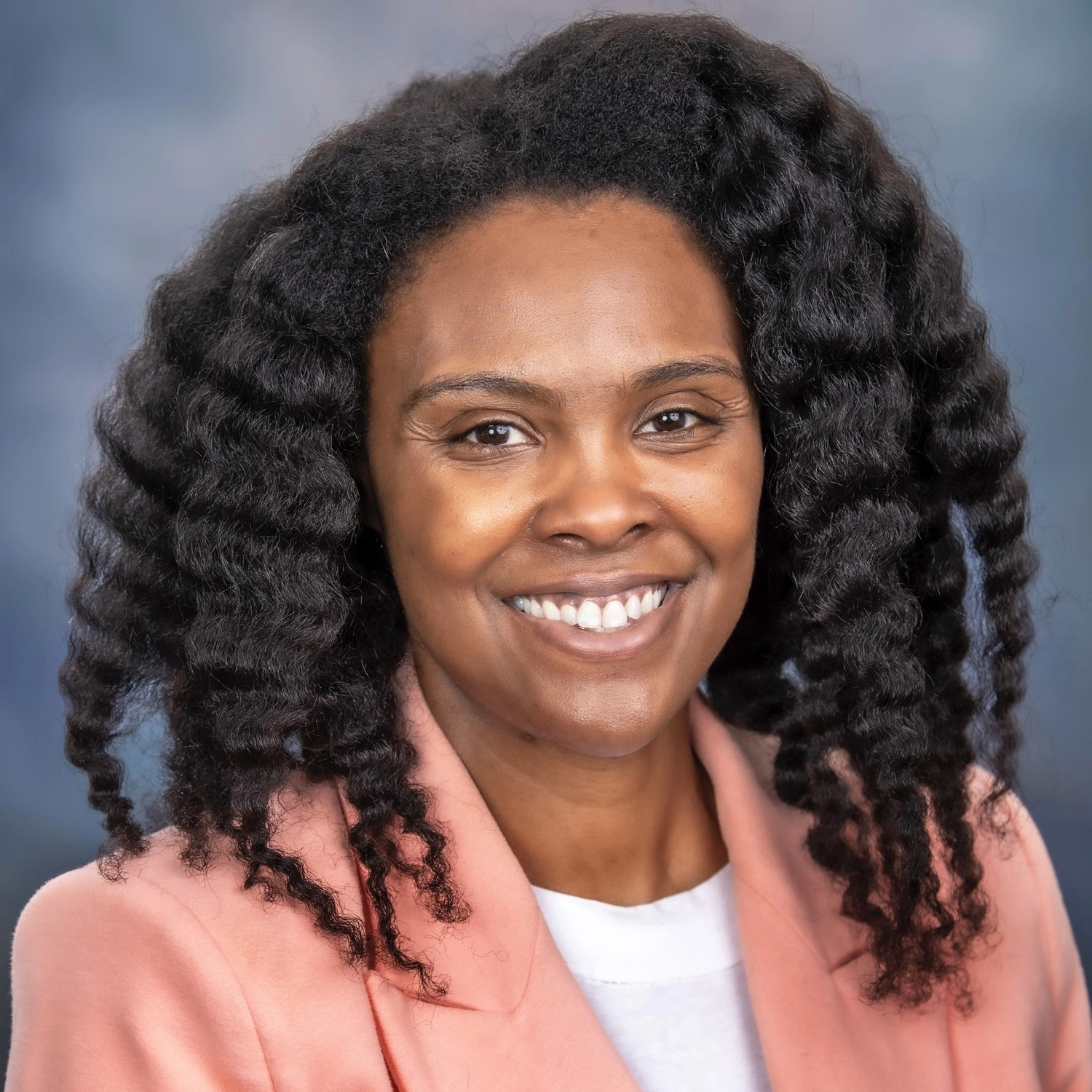
Interim Director, Center for the Advancement of Studentsand Alumni at Georgia State University Sloan Scholar PhD in Neuroscience University of Georgia |
Enhancing GSU Student Professional Development Through Group Coaching "The proposed professional development activities will strengthen my leadership capacity as Interim Director of the Center for the Advancement of Students and Alumni (CASA) and prepare me to launch an evidence-based undergraduate group coaching program at Georgia State University. Beginning in September 2026, I will engage in a year of executive coaching through Korn Ferry and complete International Coaching Federation (ICF)-certified Scholarly Success Coach Training with Julie A. Bradley, PCC, a national expert in coaching emerging adult learners. I will also study the newly published ICF Coaching Body of Competencies and Knowledge (COACHBOCK™) to align the CASA's future coaching programs with global best practices. This training will enable me to collaborate with Julie Bradley and to design and pilot UCCAN @ CASA (Undergraduate Coaching & Career Advancement Network), a scalable group‑coaching initiative that supports identity formation, self‑efficacy, and student success across disciplines."
|
Product Coordinator, GlobalMed Sloan Scholar PhD in Nutritional Sciences The Pennsylvania State University |
Agile Delivery and Project Management Professional Development Initiative “My career plan is to transition into project and program management roles within the scientific and healthcare sectors, leveraging my PhD-level expertise and research experience. To achieve this, I plan to complete the Certified ScrumMaster (CSM) and Certified Associate in Project Management (CAPM) certifications, which include the required CAPM Exam Prep Course. These programs will strengthen my understanding of agile methodologies, project planning, and risk management while equipping me to lead cross-functional teams effectively. Completing these certifications will enhance my leadership capacity, improve efficiency in project delivery, and position me for advanced project management roles, preparing me to lead complex scientific and healthcare initiatives successfully."
|
Graduate Research Assistant, Montana State University Sloan Scholar PhD in Geology and Earth Sciences Montana State University |
Tribal College Experiences: Learning from Current Tribal College Faculty and Staff "This proposal involves a visit to Northwest Indian College in Bellingham, WA, to form meaningful connections with current faculty and staff and to learn more about tribal college systems. During the visit, I plan to meet with faculty from various academic departments to ask them about their experience teaching and conducting research at a tribal college, and about advice they would give to those interested in faculty positions at Northwest Indian College. Overall, the goal of this visit would be to develop collaborations with tribal college faculty and gain more knowledge of tribal college systems so that I will be prepared to pursue a career at a tribal college once I have completed my PhD program." |
_____
Conference Travel Grants (up to $3,000)
University of Illinois Urbana-Champaign |
Jazmin Aguilar-Romero Presenting "Development of an Organic Chemistry Course-Based Undergraduate Research Experience" at the Spring 2027 American Chemical Society National Meeting in New Orleans, LA |
Cornell University |
Anthonia Carter Participating in PatternCon 2026 in Atlanta, GA |
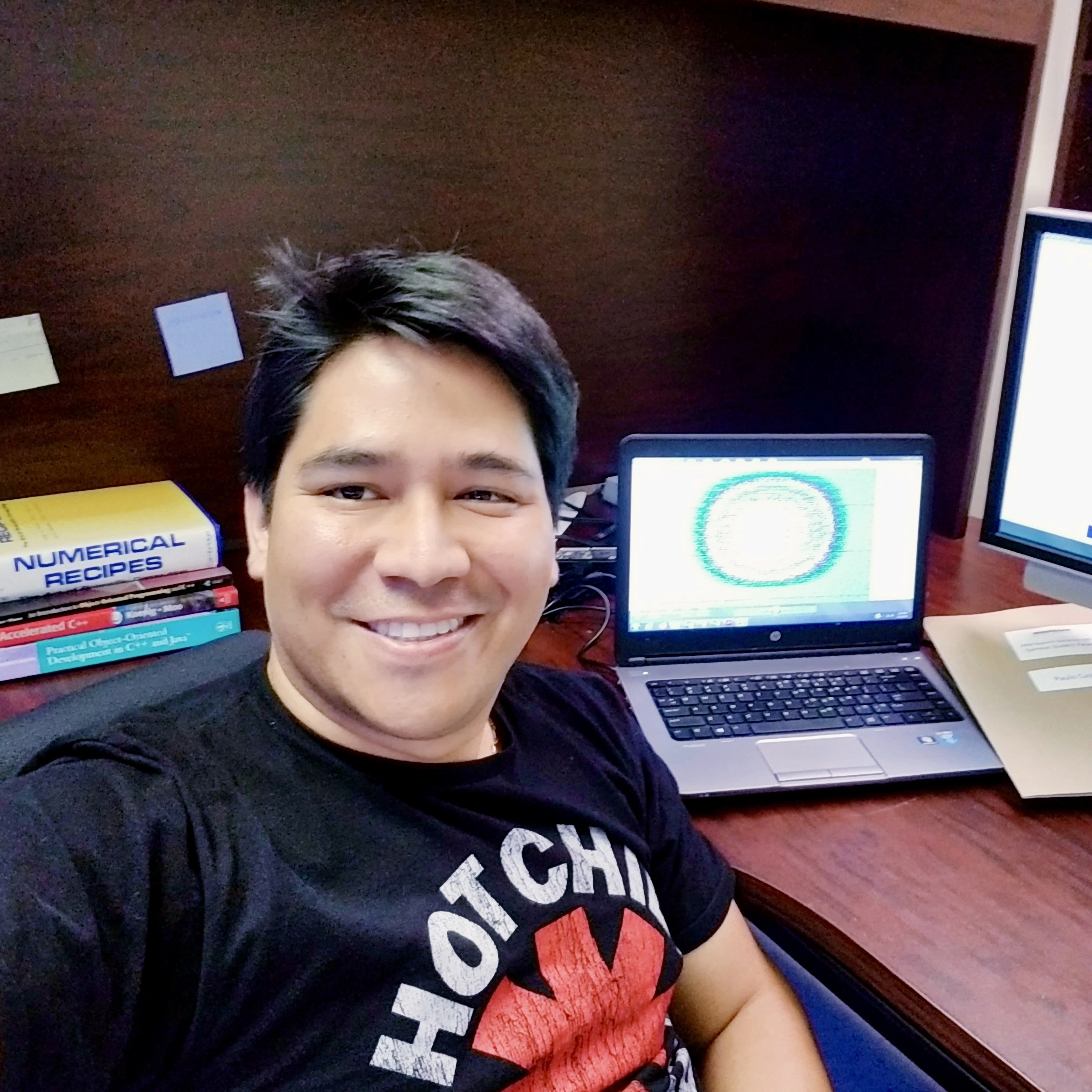
The City College of New York - CUNY |
Paulo Castillo Presenting "Next-Generation Power Electronics: AI-Integrated Power Systems for High-Efficiency Energy Conversion" at the 2027 Applied Power Electronics Conference in New Orleans, LA |
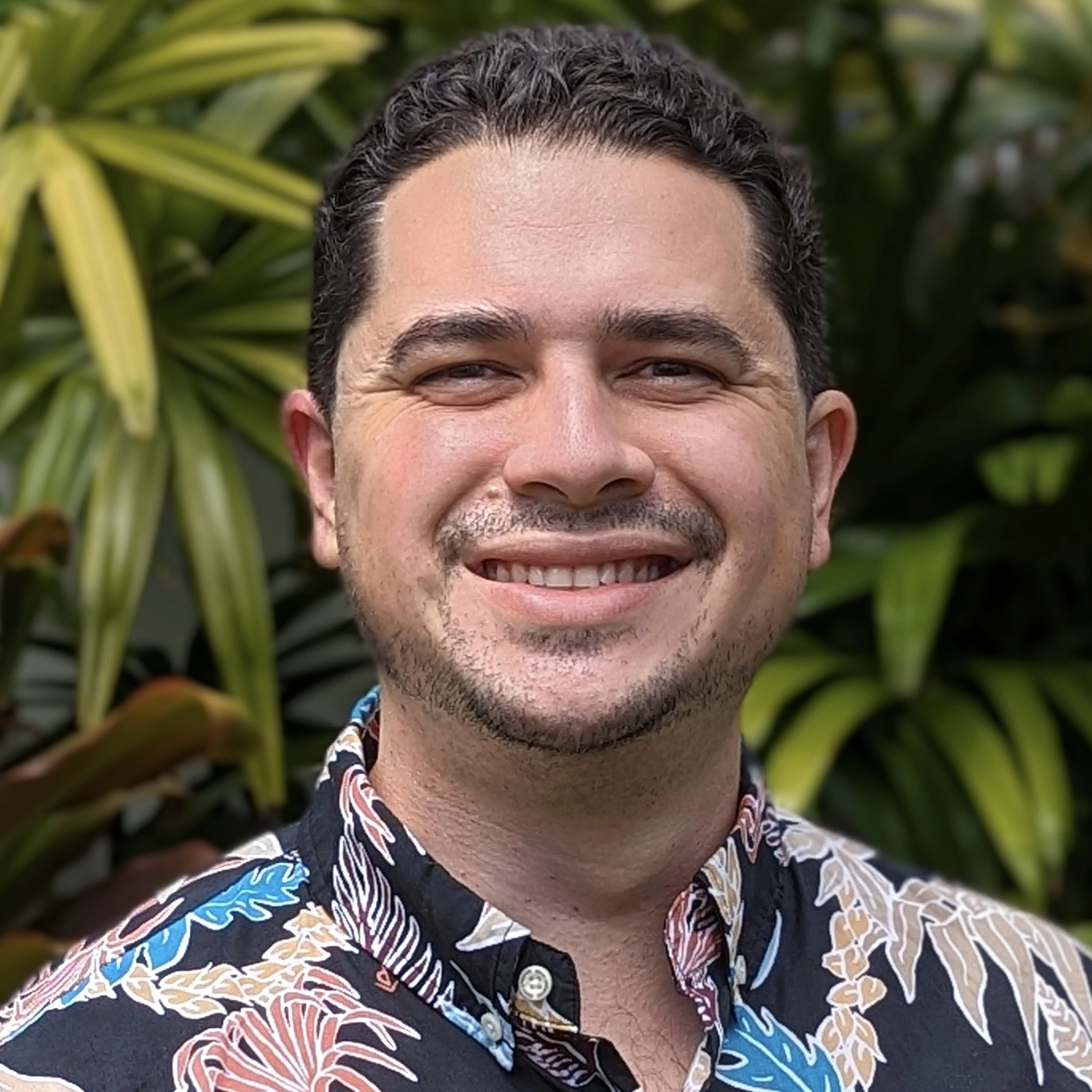
Purdue University |
Kyle Dahlin Participating in the Mathematical Association of American (MAA) MathFest and Project NExT (New Experiences in Teaching) in Boston, MA |
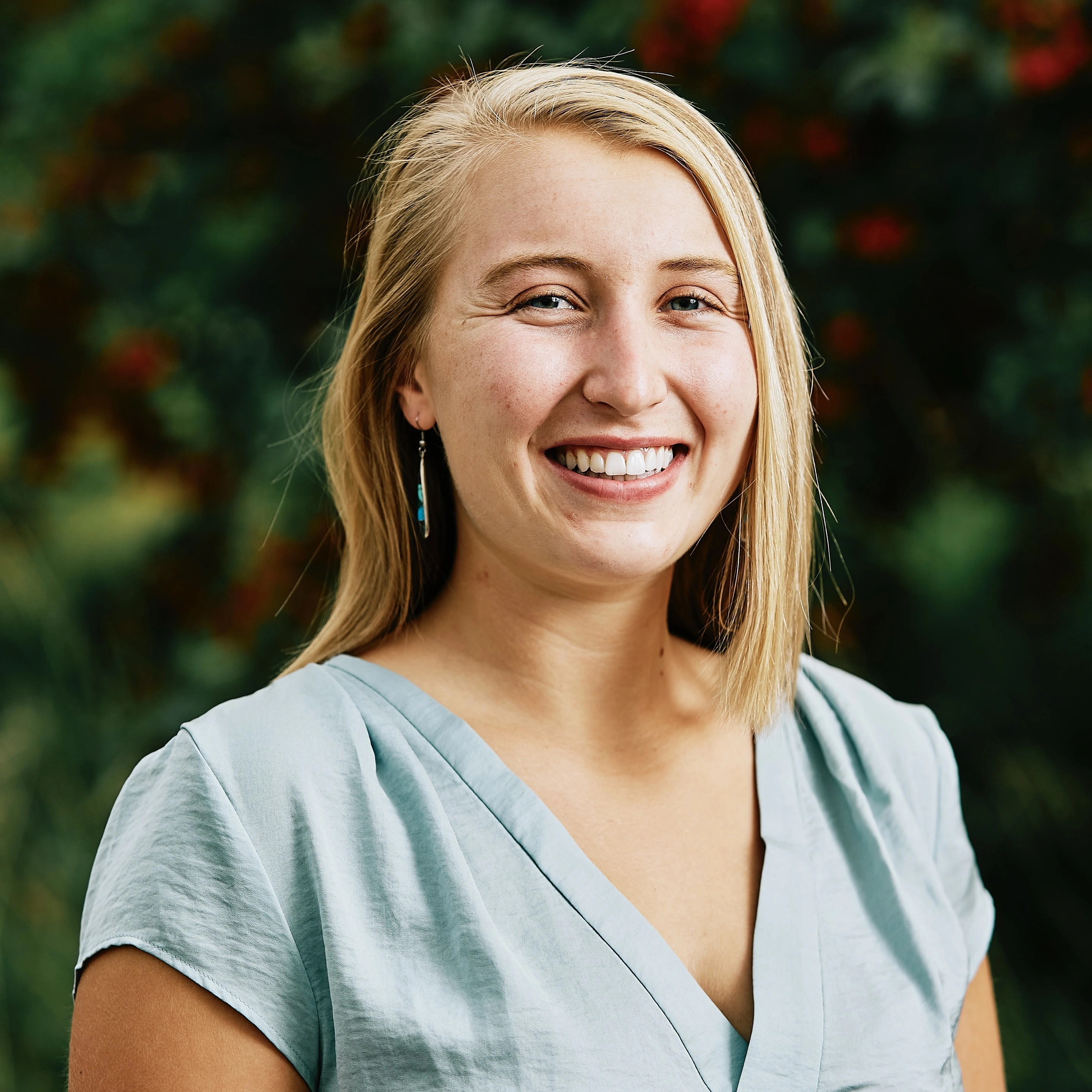
Montana State University |
Jessica Eggers Participating in the Private Well Conference |
University of Alaska Fairbanks |
Janessa Esquible Presenting "Bridging Indigenous and Western knowledge systems and perspectives: Sea lamprey in the Laurentian Great Lakes" at the International Conference on Aquatic Invasive Species in Belfast, Northern Ireland
|
The Pennsylvania State University |
Cody Gonzalez Presenting "Electrochemically Tunable Stiffness" at the American Society of Mechanical Engineers: Smart Materials, Adaptive Structures, and Intelligent Systems Conference in Albuqurque, NM |
and Engineering Georgia Institute of Technology |
Stefany Holguin Participating in the HIMSS27 Global Health Conference & Exhibition in Chicago, IL
|
University of California San Diego |
Jennifer Gee Presenting "Assessment of an In-Class Force Activity Module utilizing Kolb’s Experiential Learning Theory" at the 2027 American Association of Physics Teachers Summer Meeting in Washington D.C. |
Georgia Institute of Technology |
Michael Johnson Presenting "Supporting CS EdTech Integration for K-12 Teachers" at the 2027 American Educational Research Association (AERA) Annual Meeting in Toronto, Ontario
|
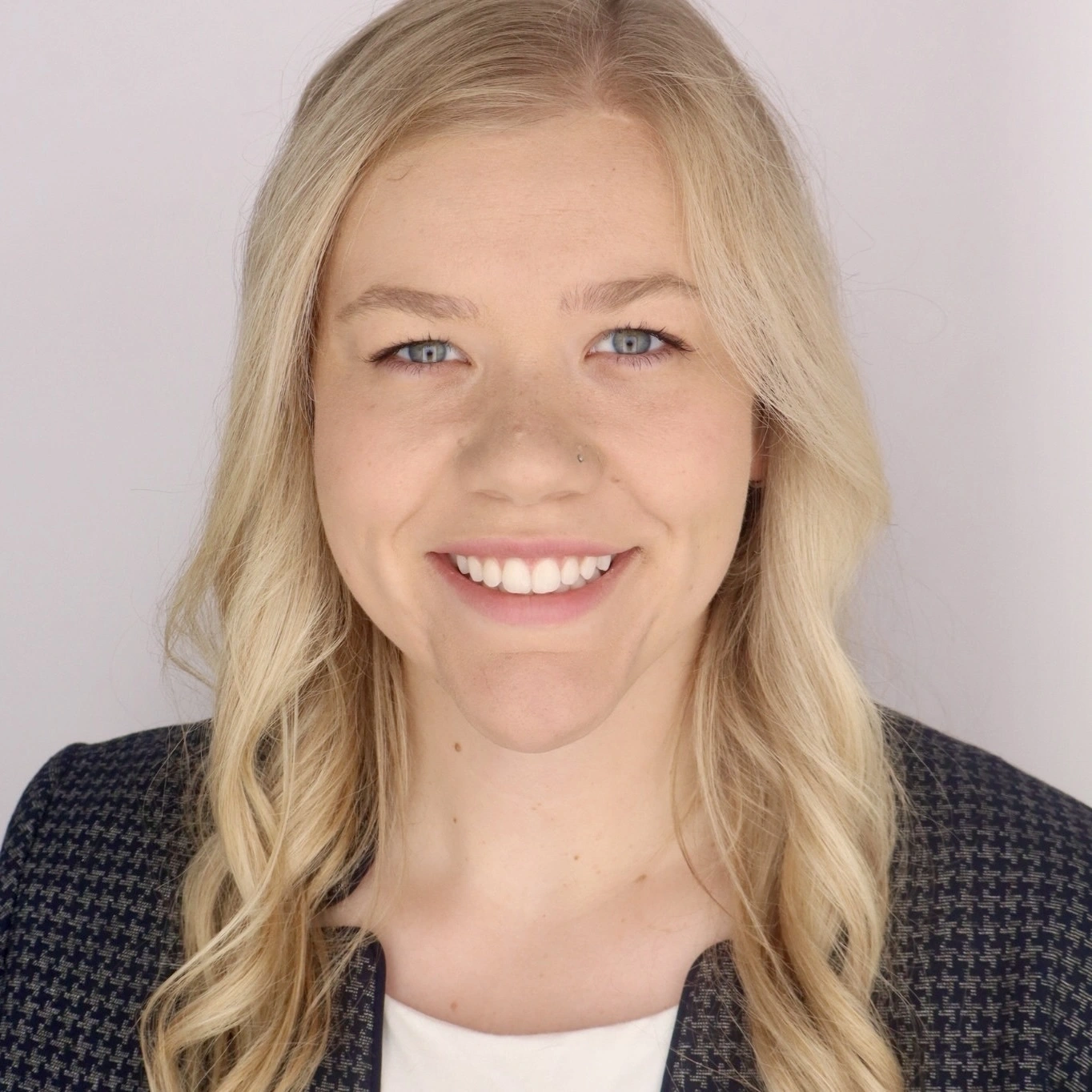
Purdue University |
Rebecca Leuschen-Kohl Presenting at the International Society for Molecular Plant-Microbe Interactions Congress in Jeju City, South Korea
|
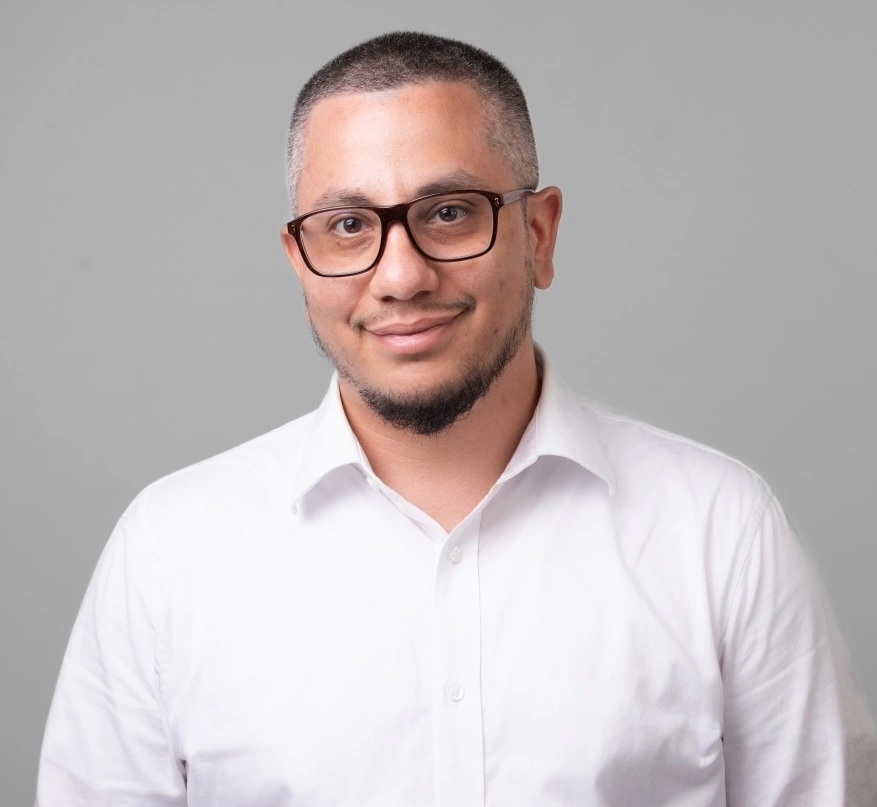
University of Illinois Urbana-Champaign |
Jason Madinya Presenting "IConstant-pH Molecular Dynamics Simulations of Polyacrylic Acid" at the 2027 American Physical Society Global Summit in Atlanta, GA
|
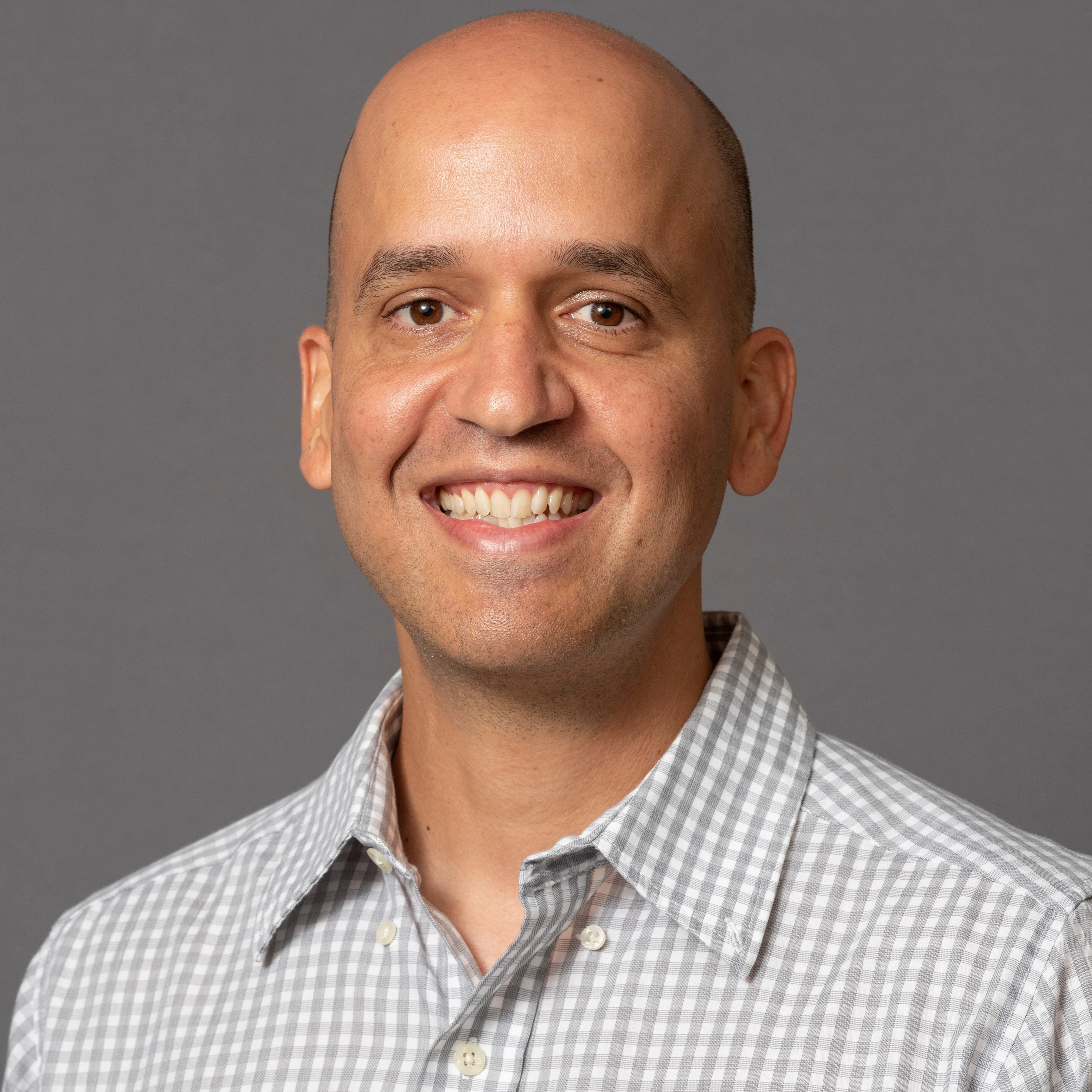
Texas A&M University - College Station |
Eduardo Perez Presenting "Advancing Resilient Healthcare and Humanitarian Systems through Operations Research and Analytics" at the Informs Annual Meeting in San Francisco, CA
|

and Evolutionary Biology University of Colorado-Boulder |
Kelly Ramirez Presenting at the 2027 Ecological Society of America Annual Meeting in Toronto, Ontario
|
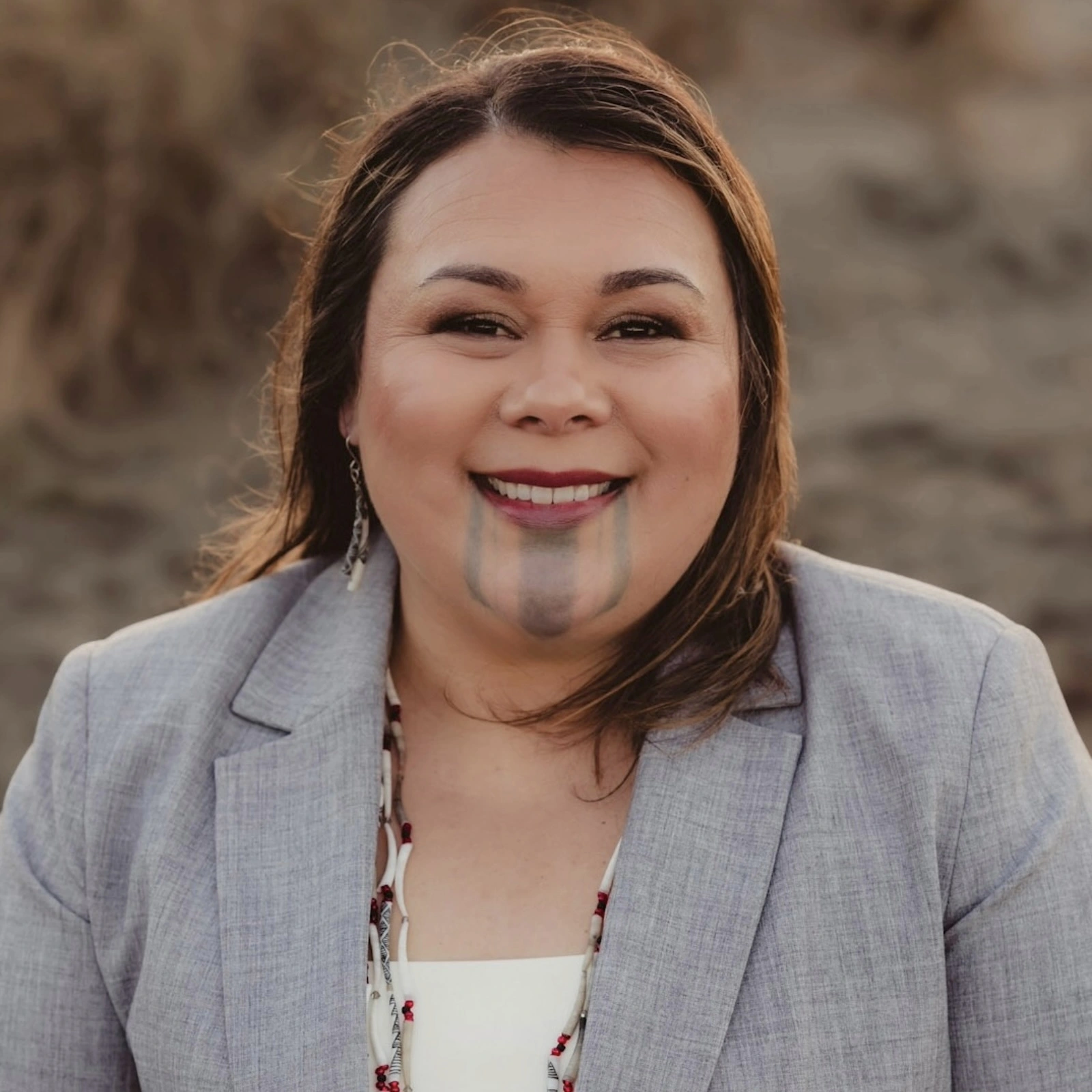
University of Arizona |
Seafha Ramos Presenting "Assessment of elk (Cervus canadensis roosevelti) habitat and diet on Yurok ancestral lands" at the 2026 American Indian Science and Engineering Society National Conference in Portland, OR
|
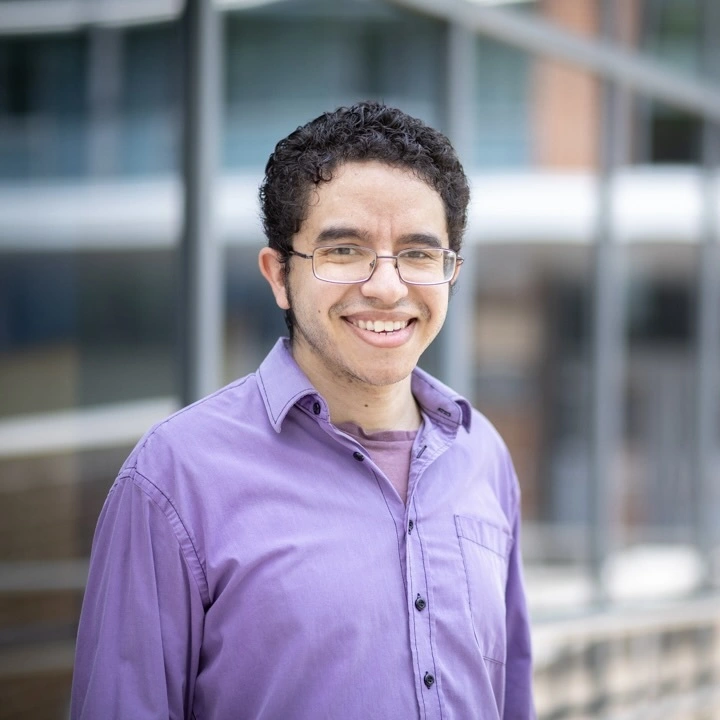
The Pennsylvania State University |
Nicholas Rios Presenting "A Two-Phase A/B Test for Binary Outcomes" at IEEE SENSORS in Kyoto, Japan
|
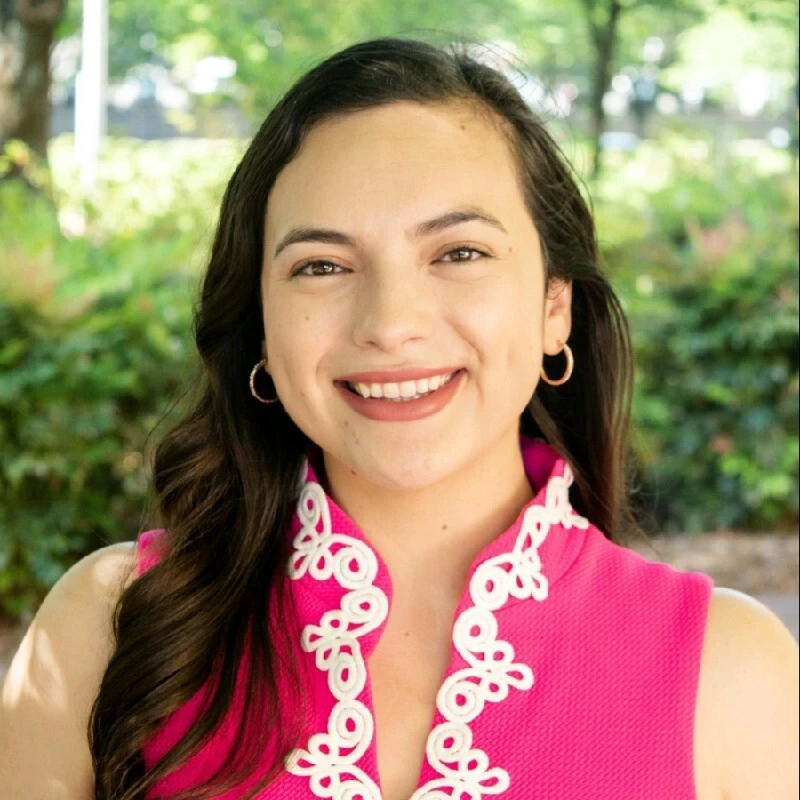
and Engineering Georgia Institute of Technology |
Stephanie Sandoval Presenting "IProbing Chemo-Mechanical and Transport Behavior in Alloy Anodes via In Situ Pressure Monitoring" at the 2026 Materials Research Society Fall Meeting in Boston, MA
|
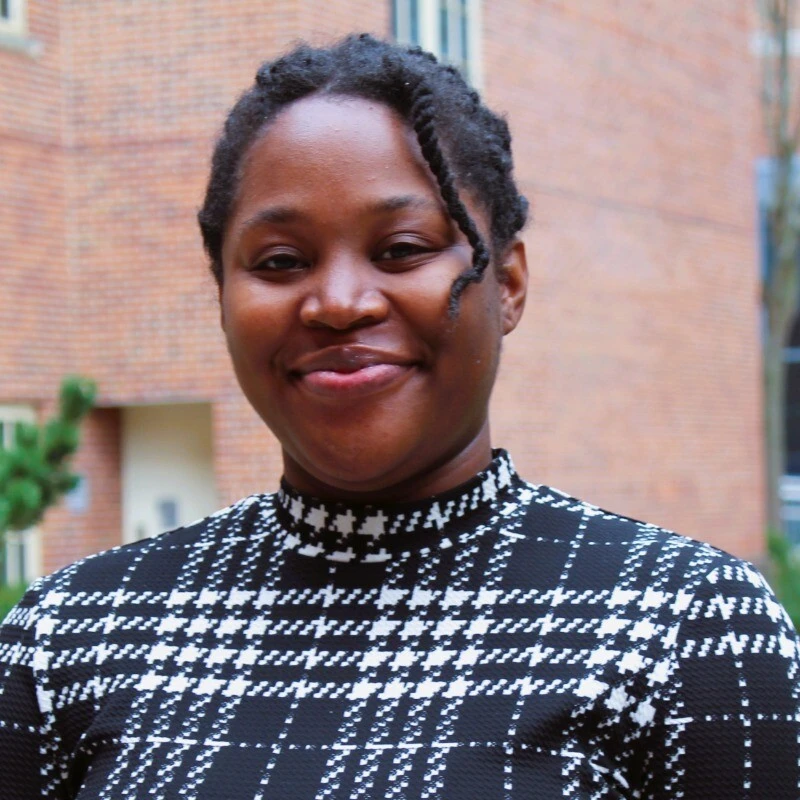
The Pennsylvania State University |
Dynisty Wright Participating in the Population, Evolutionary, and Quantitative Genetics Conference in Pacific Grove, CA
|