
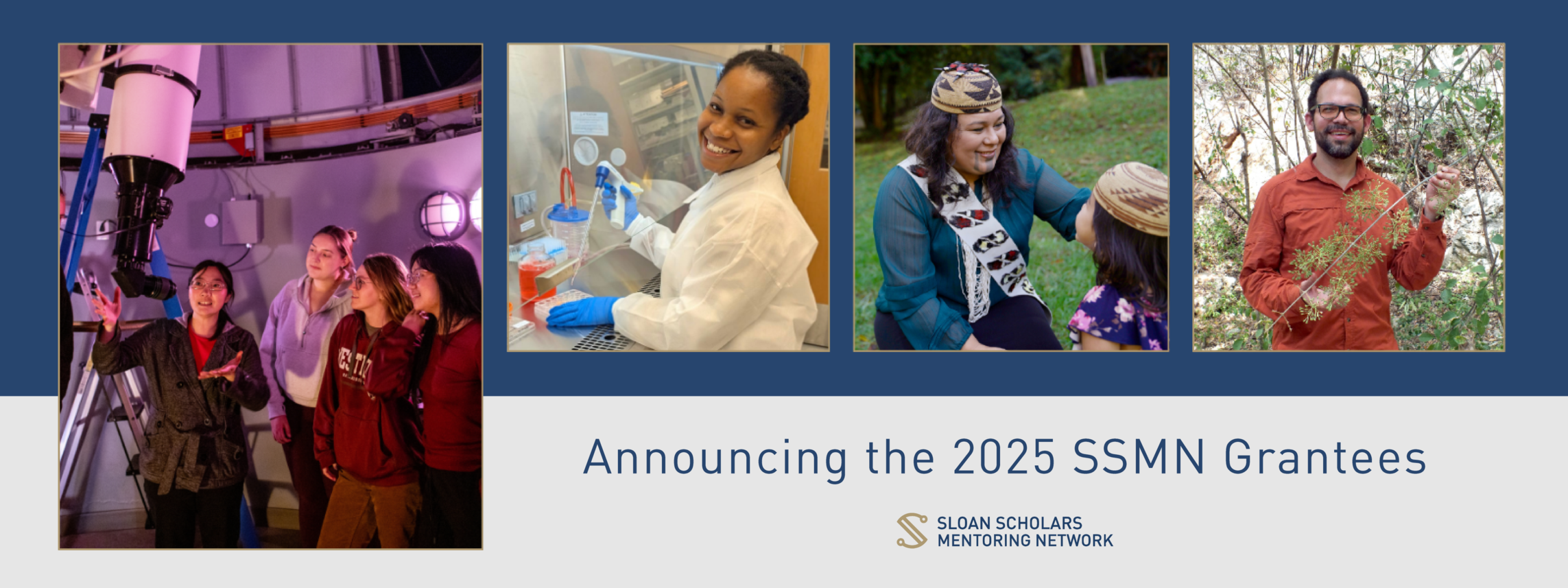
Announcing the 2025 SSMN Grantees
Research Seed Grants (up to $10,000)
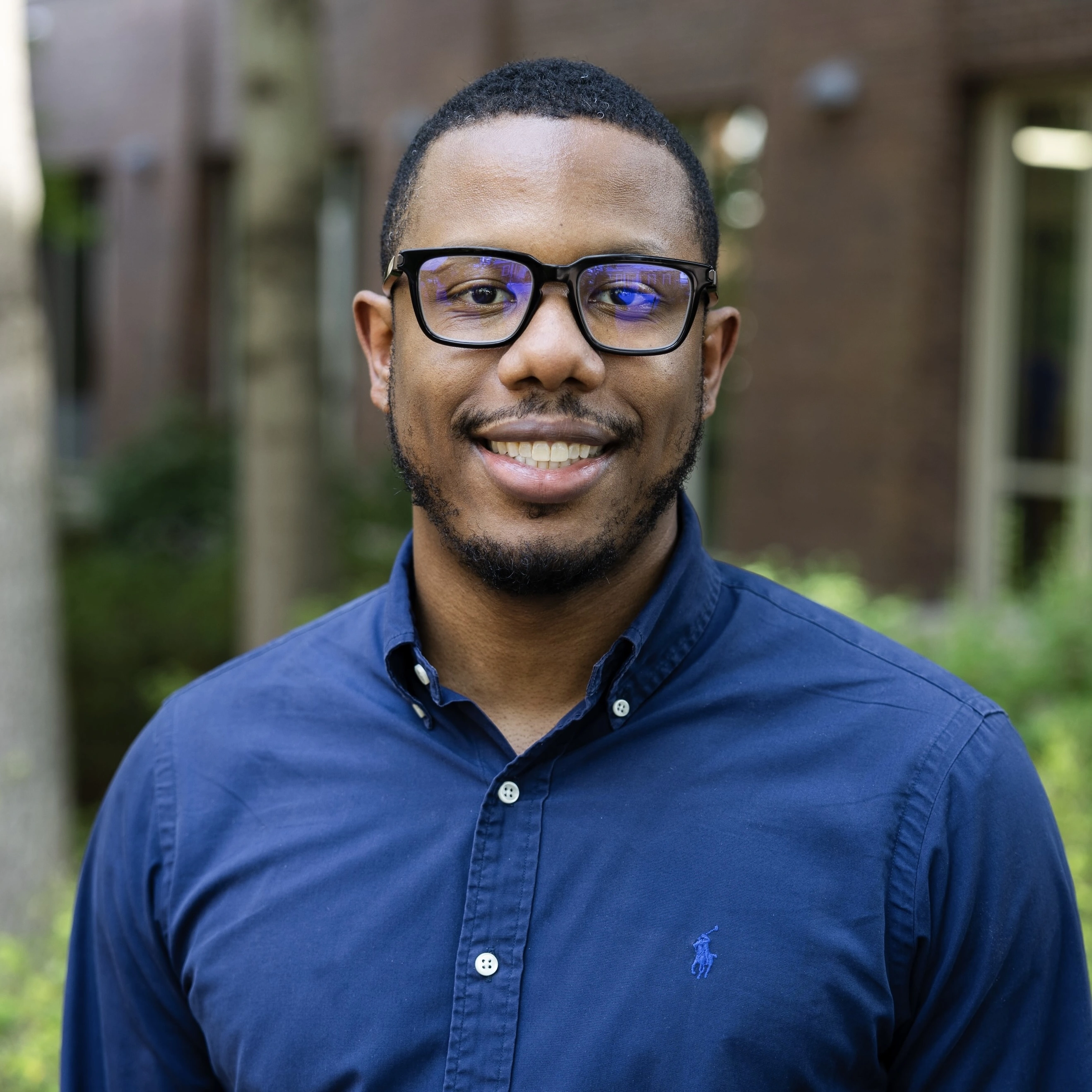
Assistant Professor, University of Virginia
Sloan Scholar PhD in Mechanical Engineering,
Georgia Institute of Technology
Preliminary Design of an Inductively Coupled Plasma System
“The expansion of hypersonic travel has been limited, in part, by material degradation in extreme environments produced by viscous effects. The high-enthalpy flow created during hypersonic flight can be reproduced using plasma facilities like the NASA Ames Arc Jet Complex or the Hypersonic Materials Environmental Test System (HYMETS). Both systems employ an arc heater, which are efficient in creating a high-enthalpy plasma flow with much longer run times than hypersonic wind tunnels, but electrode erosion often introduces contaminants into the flow, affecting the plasma-material interaction. This research aims to begin development of an inductively coupled plasma (ICP) facility capable of producing a high-enthalpy flow and extended run times with much higher purity than an arc jet facility."
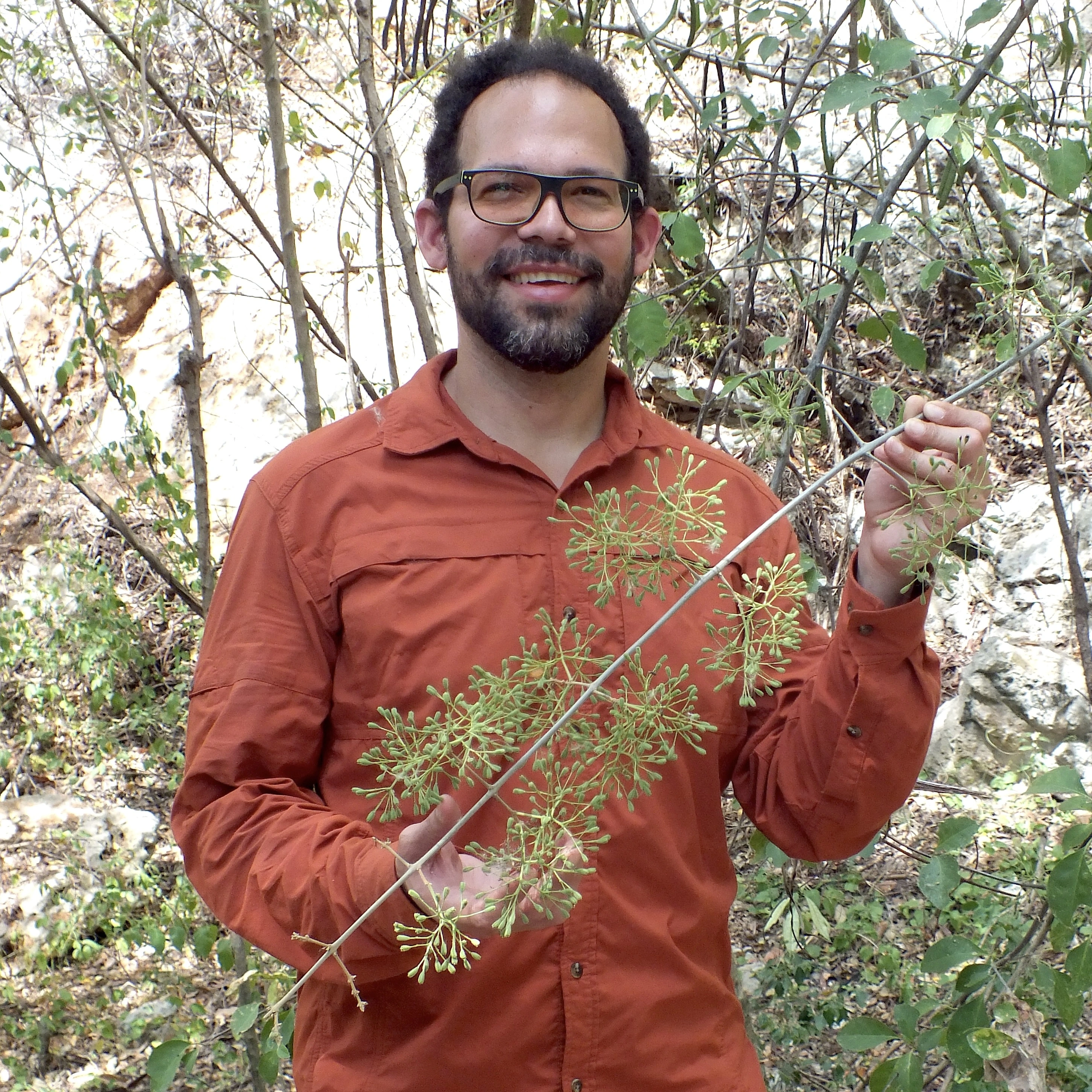
Instructional Associate Professor,
University of Mississippi
Sloan Scholar PhD in Biology, Pennsylvania
State University
Discovering Aromatic Trees in the Caribbean Using High Throughput Sequencing Data
“Canellaceae is a small family of aromatic trees and shrubs distributed in tropical America and Africa comprising about 23 species in six genera. In the Caribbean Islands, members of Canellaceae represent one of the most ancient lineages of flowering plants in the region, where all known species are endemic to islands. The goal of this proposal is to clarify the generic placement of Caribbean Canellaceae. A taxonomic revision of the group is needed to confirm if they represent an insular endemic lineage. Putative new species have been observed but need to be validated. I propose to perform two short field expeditions in Jamaica and Hispaniola to collect samples of key taxa. Over 15 samples will be sequenced using Genome Skimming techniques to build a highly resolved phylogenetic tree to guide our efforts on choosing a genus for the over 10 Caribbean taxa."
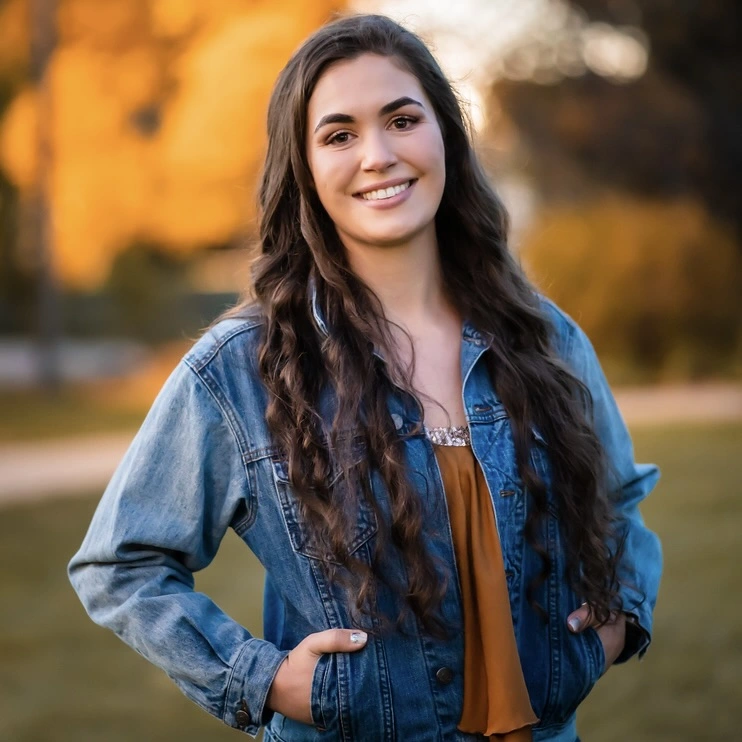
Postdoctoral Associate, University of Georgia
Sloan Scholar PhD in Biochemistry
Montana State University
A Novel Natural Products Discovery Approach to Harness Duckweed for Antimicrobial Innovation
“The rise of multi-drug resistant pathogens underscores the urgent need for new antimicrobial compounds. Plants produce diverse secondary metabolites, yet their potential remains largely untapped. My current efforts have been dedicated to characterizing the antimicrobial properties of five duckweed strains, and developing a duckweed metabolite reference library through novel NMR metabolomic techniques that leverage 13C isotopic labeling. Building upon this foundation, I hypothesize that duckweed-bacteria co-culturing will induce the biosynthesis of more potent, or entirely novel secondary metabolites. To test this, I will conduct a time-series 13C labeling experiment to track infection-induced metabolic flux, and identify newly produced compounds that can be tested for bioactivity. This innovative approach not only advances our understanding of how duckweed responds to microbial stress, but also has the potential to source new, targeted natural product leads against multi-drug resistant pathogens."
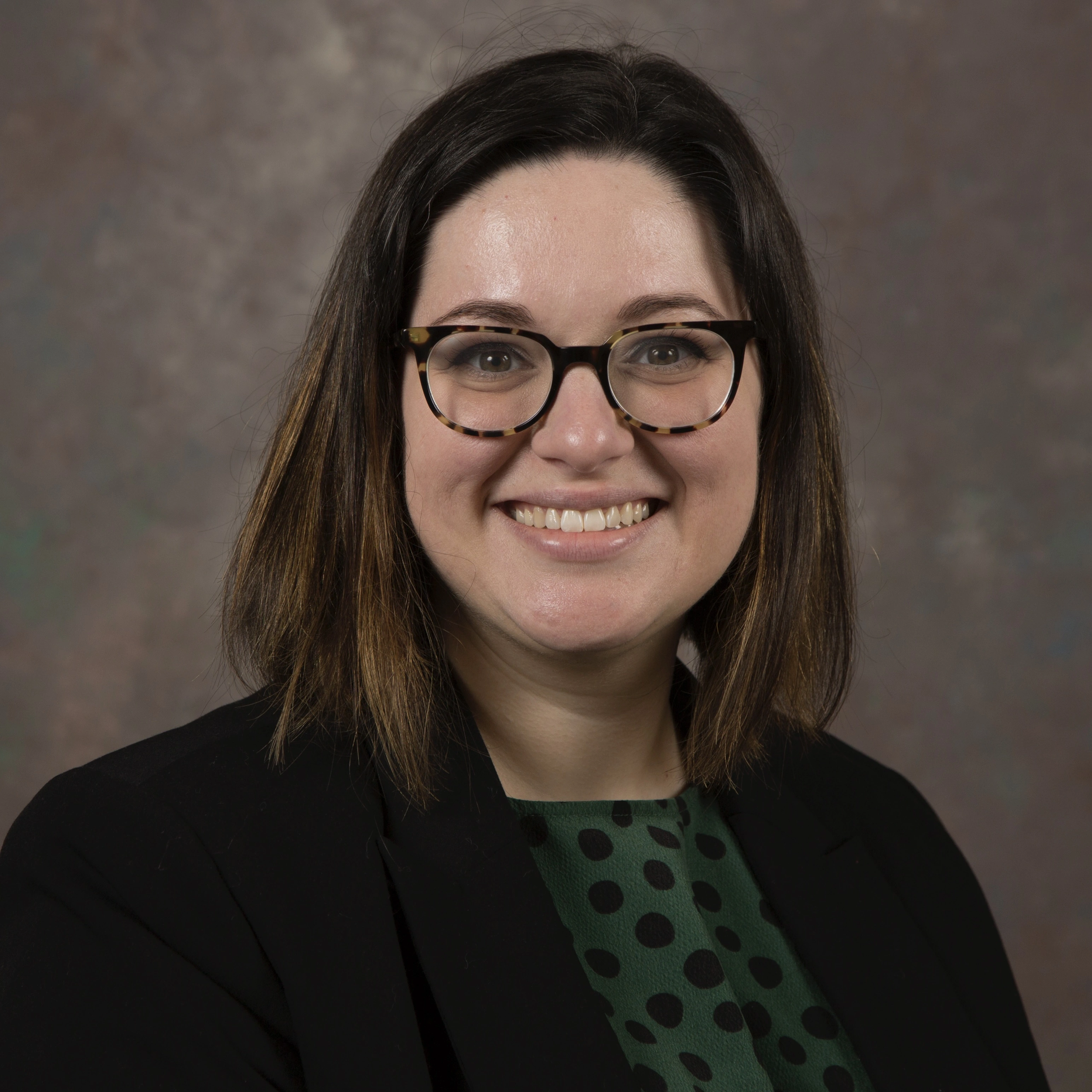
Assistant Professor, University of Delaware
Sloan Scholar PhD in
Biobehavioral Health and Demography
Pennsylvania State University
Reciprocal Influences of Discrimination and Loneliness on Cognitive Trajectories in Older Black Americans
“Alzheimer's disease (AD) disproportionately affects Black Americans. Discrimination is a stressor hypothesized to drive risk for AD and is linked to poor cognition, though the mechanisms are unclear. My work shows that discrimination increases loneliness in older persons. Loneliness also heightens the likelihood of interpreting social signals negatively to remain vigilant against rejection, and in doing so, lonely people may be more aware of discrimination in social interactions than non-lonely people. Thus, discrimination and loneliness may feed off one another, creating a negative feedback loop, carrying implications for cognition and risk for AD. Yet, no studies have examined loneliness as a mediator linking discrimination to cognition nor whether discrimination and loneliness reciprocally influence one another to impact cognition. The overarching goal of this work is to assess how discrimination, loneliness, and their interplay shape cognition in older Black Americans."
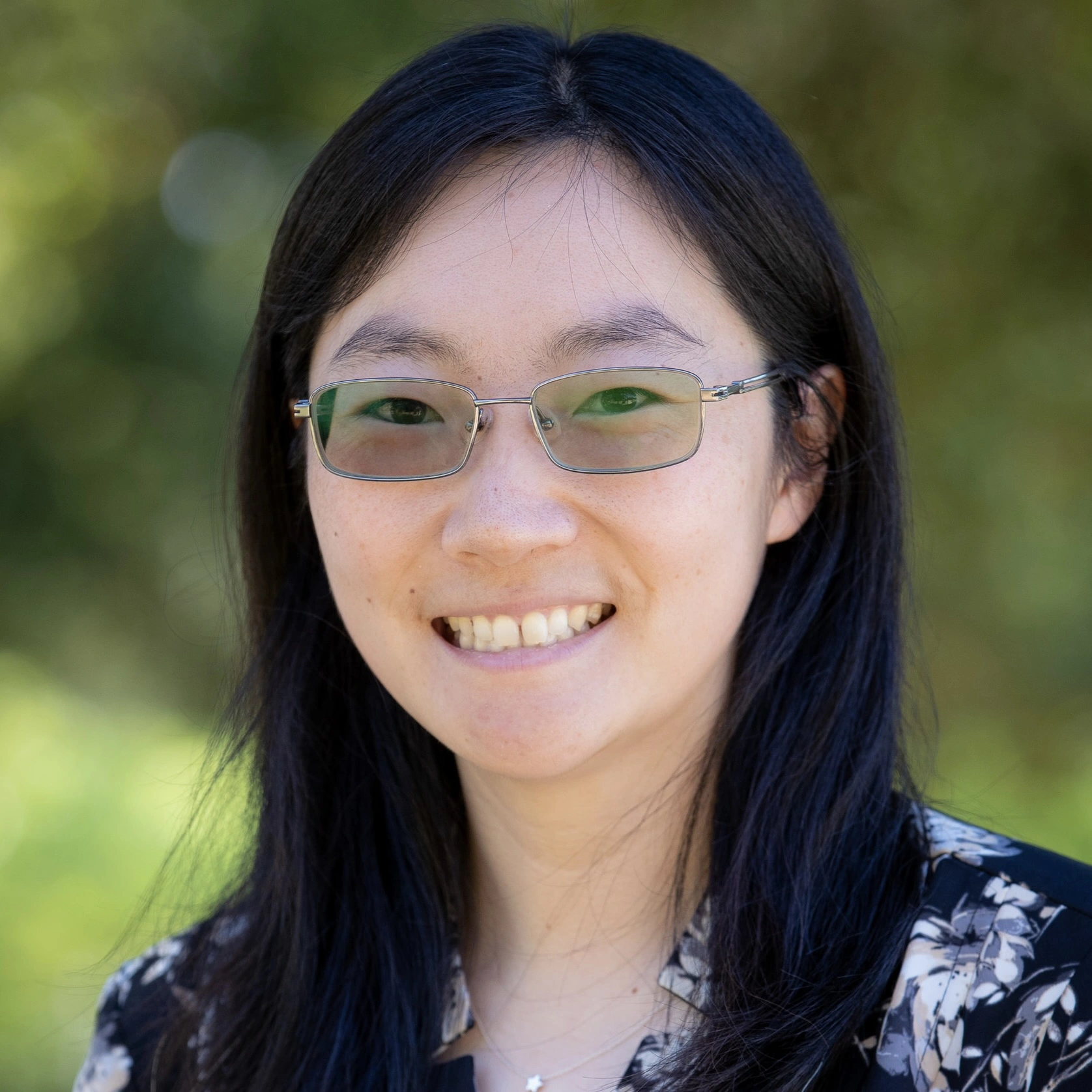
Assistant Professor, Westmont College
Sloan Scholar PhD in Physics
University of California - San Diego
Developing an In-Class Newtonian Mechanics Activity Module using Kolb’s Experiential Learning Theory
“This project will apply Kolb’s Experiential Learning Theory to an in-class activity in a first semester algebra-based collegiate physics class. The activity will focus on concepts around forces and acceleration and will be a multi-staged activity allowing students to engage with all four stages of Kolb’s learning cycle. There will be a hands-on component as well as components that create space for students to reflect on what they learned through the hands-on component and engage with the topic conceptually. It will also be flexible so that the activity can be performed by an individual student, a pair of students, or a group of four students. Their understanding will be assessed through traditional written assessments. Additionally, a side study will explore any correlation between a student’s Kolb learning style and the stage of the activity that the student had the greatest affinity towards."
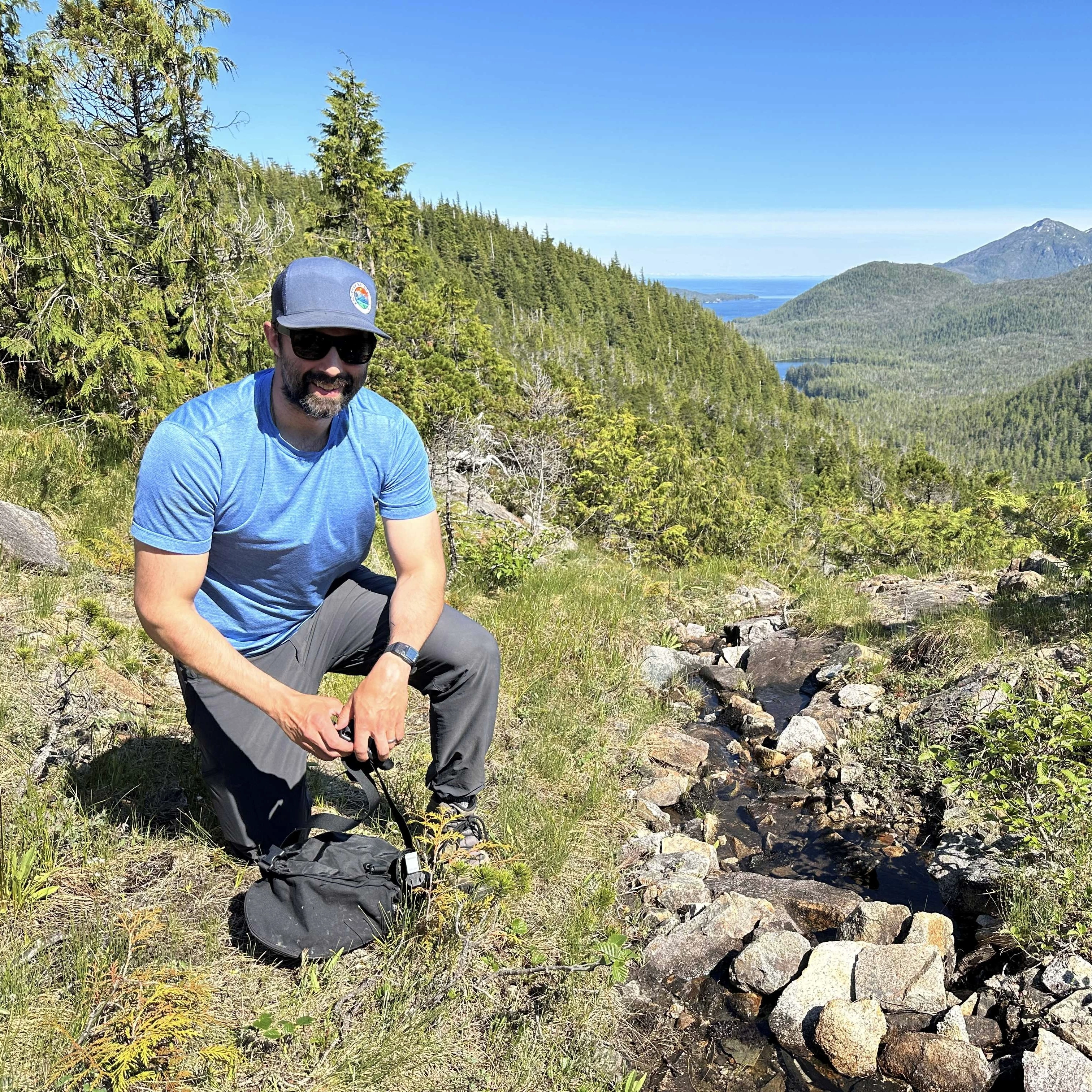
Postdoctoral Fellow, University of Alaska - Anchorage
Sloan Scholar PhD in Geoscience
University of Alaska - Fairbanks
Web-Based Application to Promote Data Discovery and Exploration of Earth Science Data
“This project aims to change the way scientific data, specifically Earth science data, is discovered and used. A recent push by funding agencies to make research data findable, accessible, interoperable, and reusable has resulted in a large volume of datasets published to online data repositories. However, there does not yet exist a way for researchers to quickly visualize and interact with datasets held in these repositories. Our project will begin to build a web-based application to facilitate interactive data exploration and discovery. This will allow users to graph data and compare datasets before downloading data and spending valuable time reformatting and coding to explore a dataset. As the volume of Earth science data continues to grow a framework is needed to easily explore previously collected data and integrate data across disciplines."
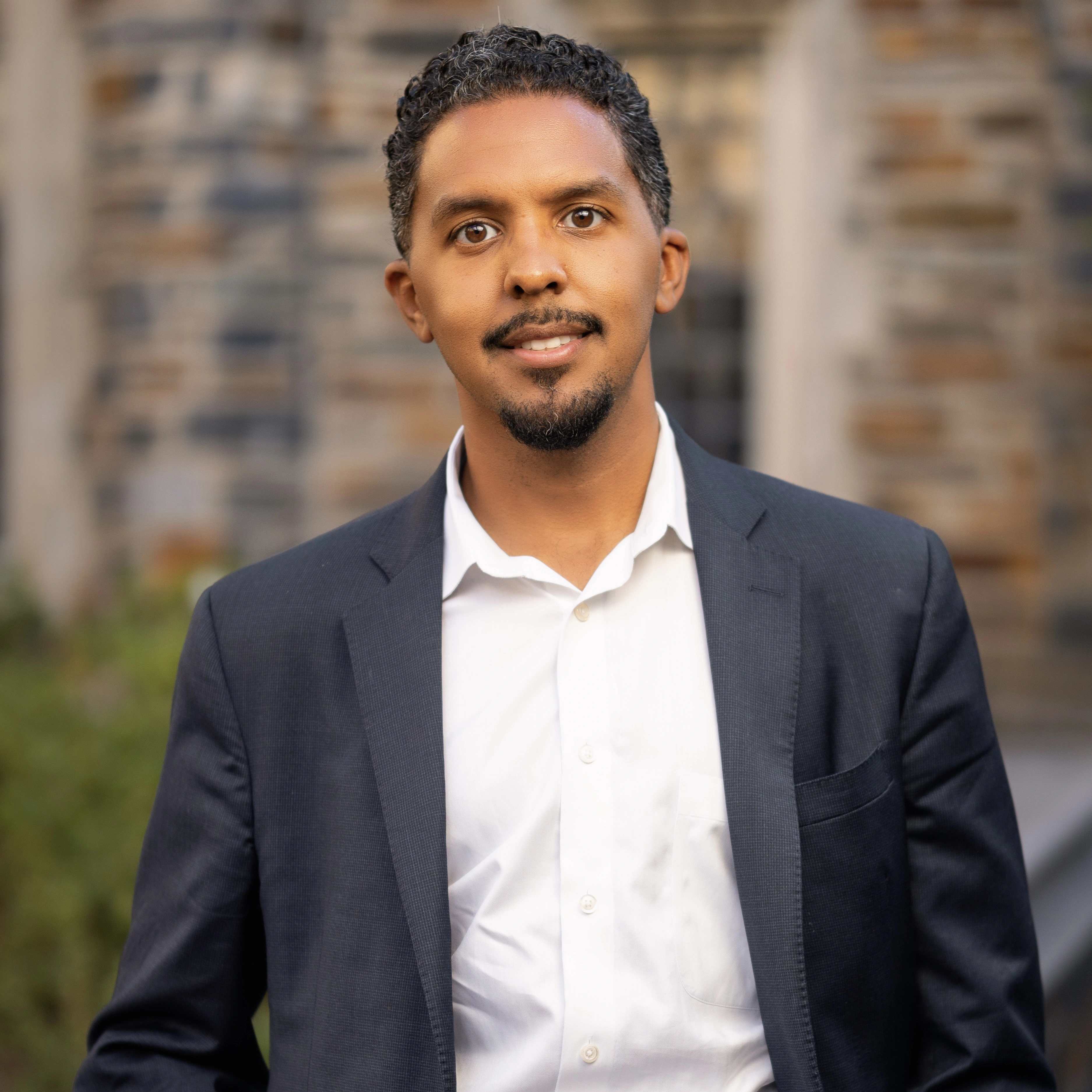
Assistant Professor, Duke University
Sloan Scholar PhD in Mechanical Engineering
Massachusetts Institute of Technology
Quantifying the Impacts of Chloride During Bismuth Mediated Lead Detection
“Metal contamination of drinking water, specifically lead, continues to be a problem 2000 years after Vitruvius warned us and despite efforts like those in the Infrastructure Act. Point-of-use, or at-home, tests like those using electrochemistry could help highlight hotspots before children are harmed. My long-term goal is to develop inexpensive, low energy, point-of-use water quality monitors. This project’s goal is to understand the impact of bismuth hypochlorite on lead detection using electrochemistry over long times. During lead detection, we have observed distinct electrochemical changes when using water containing chloride ions. Based on theory, we believe this is due to bismuth hypochlorite forming on bismuth coated glassy carbon electrodes in the presence of chloride ions. We will characterize bismuth hypochlorite in simulated drinking water. Characterization will be done using imaging, high energy electron surface profiling techniques, and electrochemical techniques."
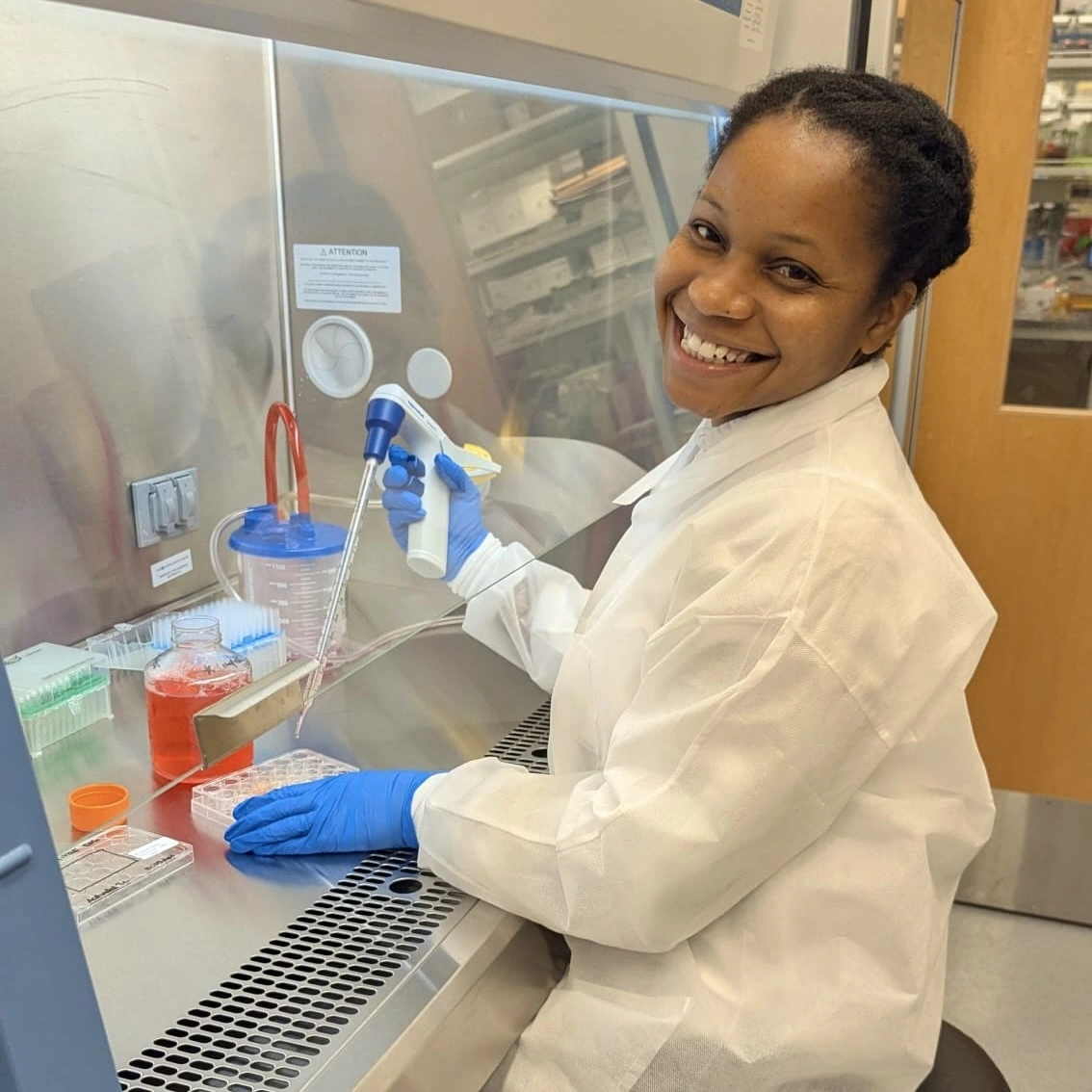
Assistant Professor, Emory University
Sloan Scholar PhD in Engineering Science
University of South Florida
Investigating Hydrogel as a Delivery Platform to Determine Curcumin Absorption and Immune Activation in Squamous Cells for Cervical Cancer Treatment
“Cervical cancer is the fourth most common cancer among women globally. The highest rates of cervical cancer incidence and mortality arise from low-resource populations, reflecting the limited access to HPV vaccination, cervical screening, and treatment services. A persistent infection with human papillomavirus (HPV) leads to cervical cancer. A woman dies of cervical cancer every two minutes despite the availability of effective vaccines, screening, and detection tools. Curcumin has been shown to elicit an immune response; hence, we will evaluate both the antitumor ability of curcumin alone and that protected within the fibrin-based hydrogel (FBH) in various cervical cancer primary cell lines. we will profile immune cells in vaginal and rectal samples to understand the benefits of curcumin on immune cell post-treatment. We aim to investigate the ability to treat cervical cancer through topical delivery methods, developing innovative strategies to prevent or alleviate complications from HPV."
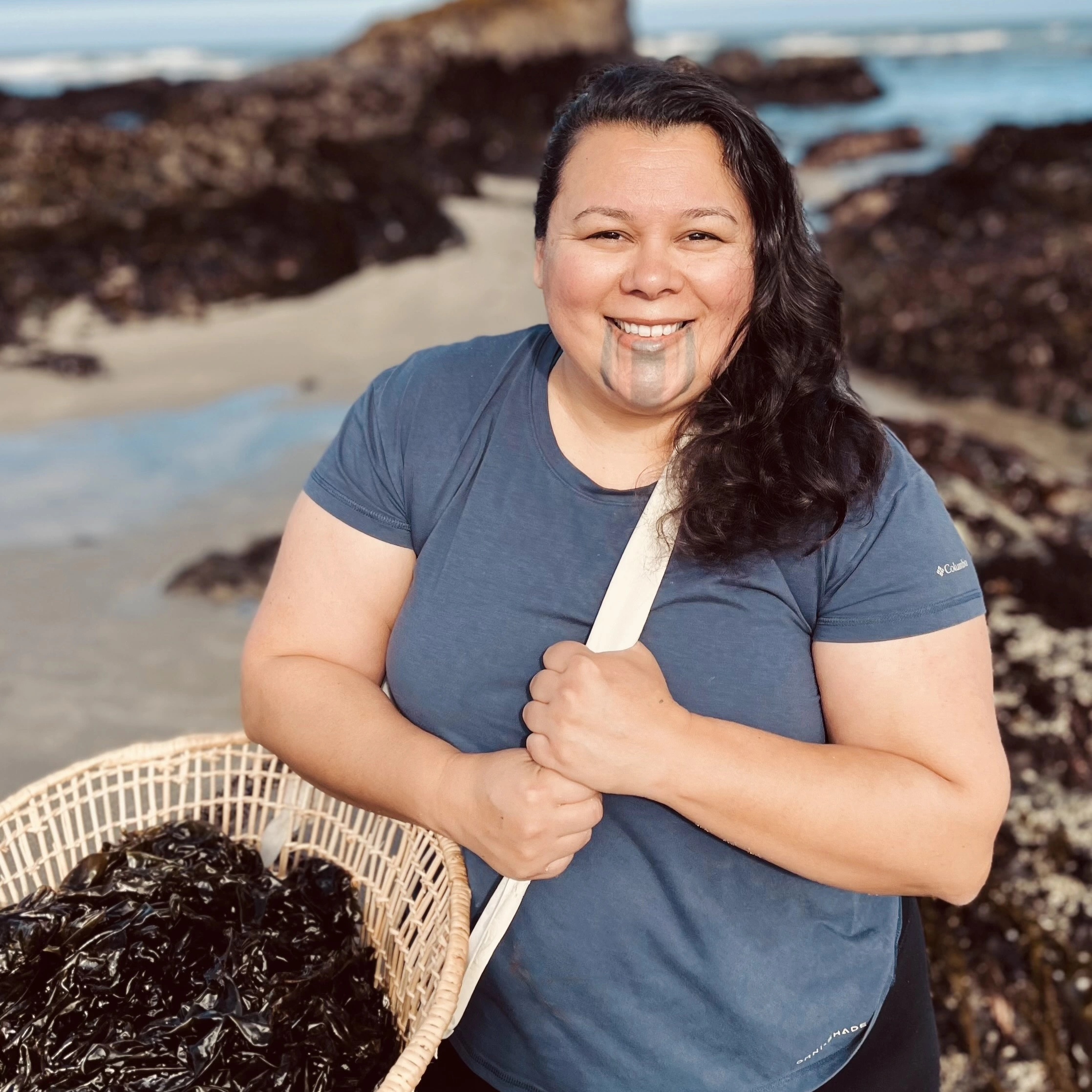
Assistant Professor, Northern Arizona University
Sloan Scholar PhD in Natural Resources
University of Arizona
Assessment of Roosevelt Elk Diversity and Diet in Northwestern California
“Roosevelt elk (Cervus canadensis roosevelti; "elk") experienced historical declines in California due to market hunting and habitat loss. Several herds occur in Redwood National Park (RNP), the largest in a prairie that contains Yurok ancestral lands and is adjacent to the Yurok Reservation. Yurok have a relationship with elk as a subsistence food and materials for ceremony, and through maintenance of prairies for elk habitat. However, access to elk is limited because no herds have re-established within Yurok jurisdiction, which is a fraction of ancestral territory. we aim to document the genetic diversity and diet of elk in RNP, via fecal DNA metabarcoding, for future comparison of vegetation within Yurok jurisdiction. We previously collected samples and extracted DNA; our next step is to index and sequence the samples. This study will provide a first step toward understanding whether Yurok prairies are suitable for elk based on forage plant species."
Assistant Professor,
University of Puerto Rico - Humacao
Sloan Scholar PhD in Electrical Engineering
University of South Florida
Electrospun Organic Coaxial Nanofibers for Enhanced Electronic and Sensing Applications
“Nanofibers have attracted significant attention due to their unique properties and potential applications in various fields, including electronic devices. Electrospinning is a widely used technique to produce nanofibers, and it is relatively simple, cost-effective, and versatile. Those nanofibers possess unique electrical and optical properties with enhanced biocompatibility, making them ideal for a range of electronic device applications such as bio-wearables, gas sensors, and active drug delivery. Furthermore, a thorough understanding of polymer processing, electronic behavior, and fabrication techniques is crucial for the development of novel characteristics and applications. The overarching goal of this research proposal is to advance fundamental knowledge of organic coaxial nanofibers produced by the electrospinning technique for electronic device applications by quantifying the underlying electronic transport, gas sensing mechanisms and morphological properties of nano-coaxial systems to engineer composites with tunable properties."
_____
Career Development Grants (up to $5,000)
Postdoctoral Research Fellow, Virginia Tech
Sloan Scholar PhD in Mathematics,
Purdue University
Kaulana i ka ʻĀina: A Symposium on Place-Based Mathematics Education
"This two-day symposium, Kaulana i ka 'Āina, will explore the power of place-based mathematics education. Rooted in Indigenous knowledge systems and local narratives, it connects mathematics to 'aina, fostering stewardship and relevance. Day one will feature talks and workshops by Hawai'i educators and a visiting guest speaker who will discuss how they have incorporated place-based and culturally grounded pedagogy in their work. Day two includes a huaka'i, engaging participants in learning directly from 'aina. The event aims to inspire equity, sustainability, and real-world applications in mathematics education."
Postdoctoral Research Associate, Texas Tech
Sloan Scholar PhD in Entomology,
Purdue University
Developing a Biogeography Research and Mentoring Skill Set
“The proposed plan is to join The International Biogeography Society (TIBS), the largest society in my field. As a member I will network with and learn from researchers from various backgrounds and specialties in the field. I will attend four virtual workshops led by leaders in the field that will help me to develop my skills in handling biogeographic data and conduct analyses using species distribution models. Additionally, I will take what I learn and lead skills-building workshops for my colleagues at Texas Tech University. This will include leading projects where I will further develop my analytical skills as well as mentoring abilities."
Assistant Program Director,
Pennsylvania State University
Sloan Scholar PhD in Biochemistry and
Molecular Biology, Pennsylvania State University
Developing Skills to Enhance Student Interactions
"The proposed career development is an academic life coaching certificate. Having had the experience of being a first-generation graduate student, initially, I was unaware of how to navigate the academic setting, and I did not understand how to transform the available resources to fit my needs. Currently, I serve as an Assistant Program Director for the Pennsylvania State University Millennium Scholars Program (MSP) where I mentor/academically advise a select number of undergraduate students. Earning the academic coaching certificate will provide me with the formal training and credentials necessary to advance my engagement and effectiveness in supporting undergrad and graduate students."
Assistant Professor, Idaho State University
Sloan Scholar PhD in Bological Anthropology
University of Montana
Forensic Anthropology Mentoring and Certification
“This proposal is seeking support to access forensic anthropology casework and mentoring by Board Certified Forensic Anthropologists (D-ABFA) at the Tarrant County and the Dallas County Medical Examiner’s Offices. In order to gain ABFA certification one must complete a set of competencies observed and signed off by D-ABFA's. This is not possible in Idaho as there are no D-ABFA's in Idaho or the surrounding states. This experience will allow me to conduct casework under the supervision of D-ABFA’s (Dr.’s Christian Crowder and Deb Pinto), and apply these experiences to the competencies required for board certification at the Analyst level."
Associate Professor, University of California, Davis
Sloan Scholar PhD in Biological and
Environmental Engineering, Cornell University
Advancing Modeling of Particle Transport and Filtration in Groundwater
“The proposed project will provide advanced training in groundwater and hydrogeochemistry, focusing on how suspended particles (e.g., bacteria, nanoparticles, microplastics) move and filter through porous materials like soil and aquifers. The goal is to develop a mathematical model that predicts how the intricate pore network influences large-scale particle transport—key for groundwater protection and soil remediation. Dr. Morales will train with Prof. Marco Dentz, a leading expert in random walk theory and transport modeling, to gain direct experience in (i) analyzing particle transport using statistical methods and (ii) developing predictive models that incorporate stochastic dynamics. During the visit, Dr. Morales will formalize the collaboration by preparing a research grant proposal for the U.S. National Science Foundation. The proposal will support a Ph.D. student to expand the work, ensuring long-term impact in modeling contaminant transport and filtration processes.
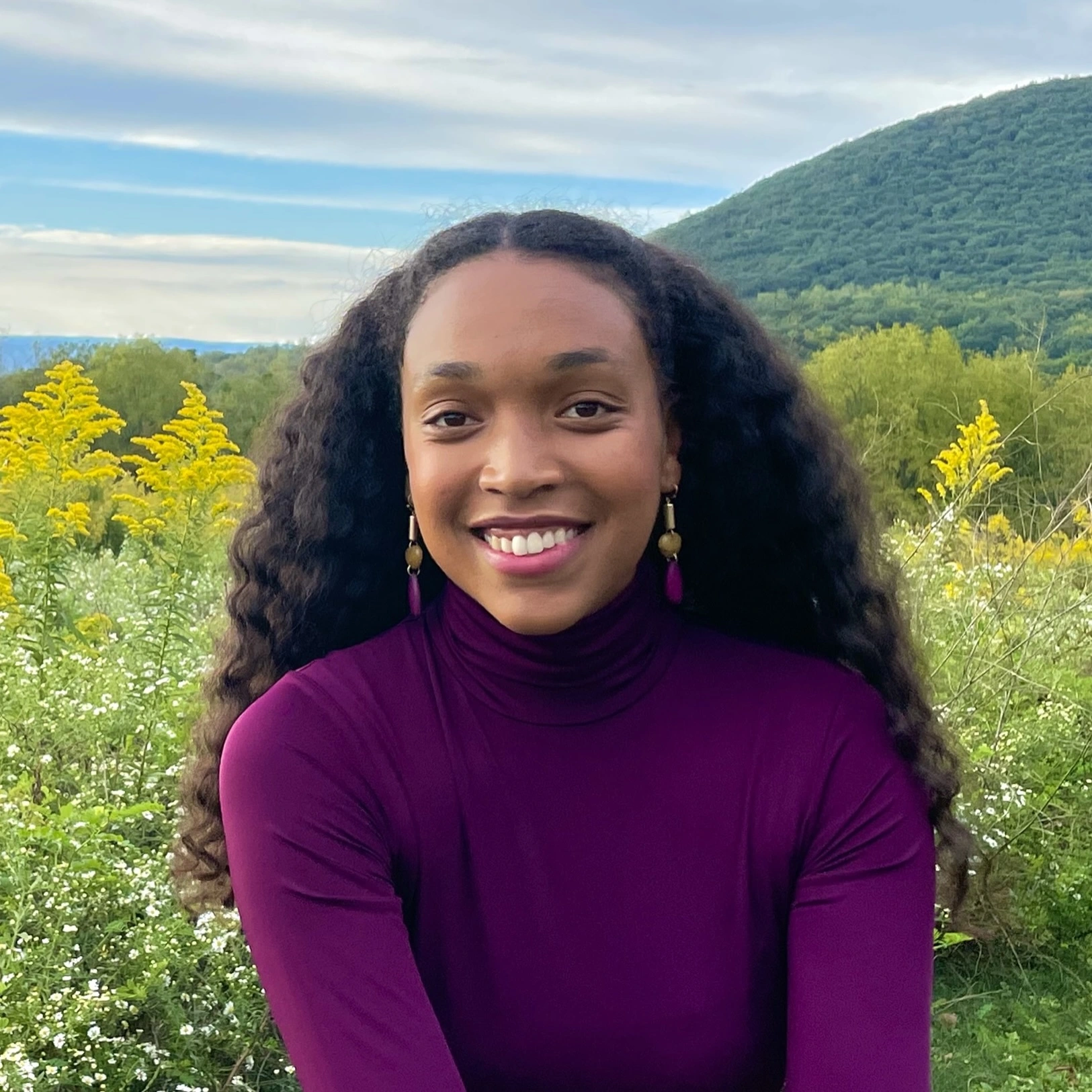
Postdoctoral Research Fellow,
Howard University
Sloan Scholar PhD in Meteorology and
Atmospheric Science
Pennsylvania State University
Expanding Science Communication Through Children's Book Writing and Illustration
“My background in science journalism has fueled my passion for making science accessible to Black and Brown communities. Through my work with Capital B News, The Washington Post, and the American Geophysical Union, I have written investigative articles that translate complex environmental and climate science topics for diverse audiences. Receiving this grant would significantly impact my career by enabling me to bridge my expertise in science writing and environmental justice with children's book storytelling—a dream I've always had. This funding will provide access to writing and illustration courses that will enhance my ability to create visually engaging, science-focused narratives for young audiences. This project will strengthen my storytelling and outreach portfolio, positioning me for future funding opportunities in science communication, media, and children's literature. The development of a compelling, research-informed children’s book will allow me to take a crucial step toward making climate preparedness more inclusive and engaging for young readers."
_____
Conference Travel Grants (up to $3,000)
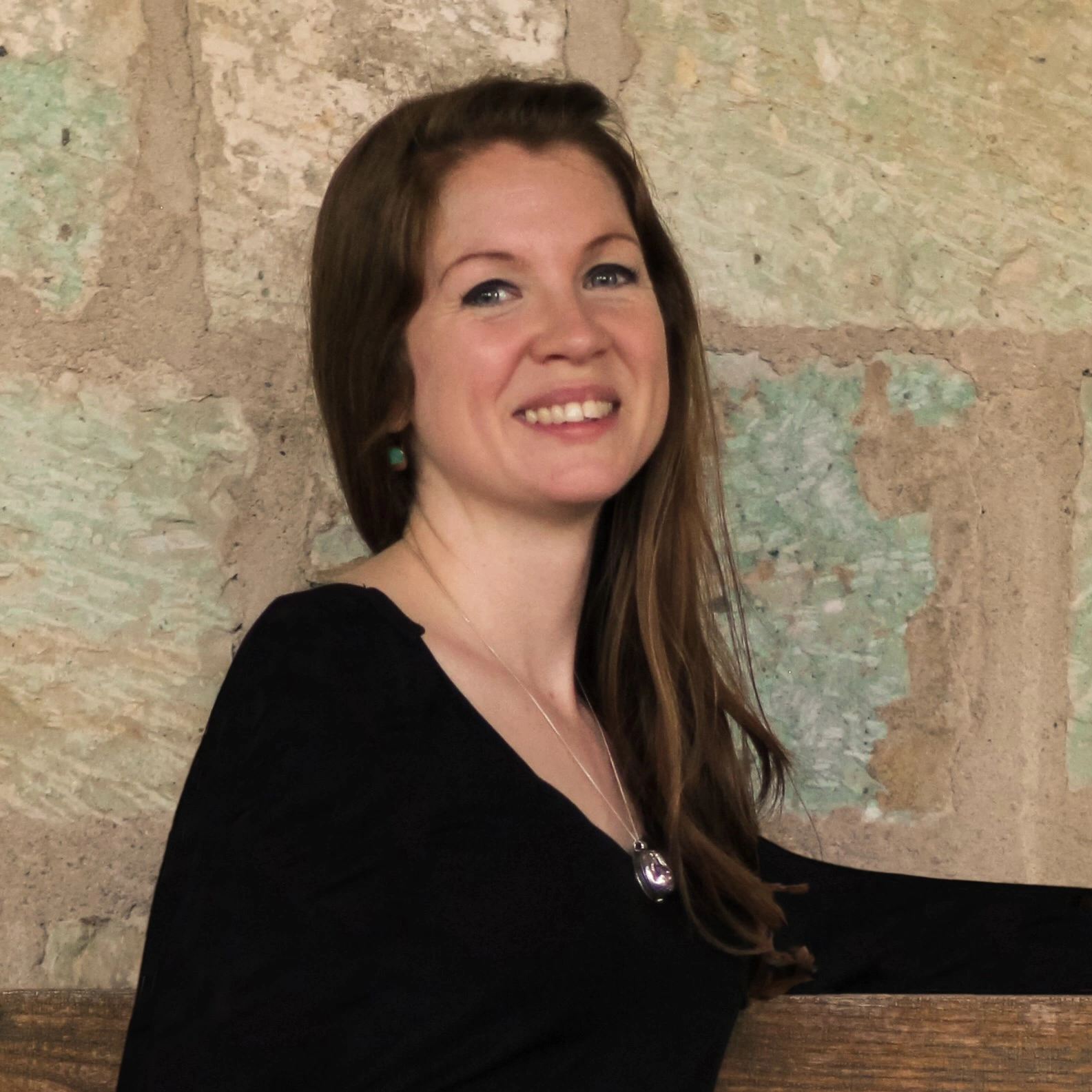
CEO, Thrive Philanthropy
Sloan Scholar MS, University of Arizona
Participating in the 2025 Reducetarian Summit in Atlanta, GA
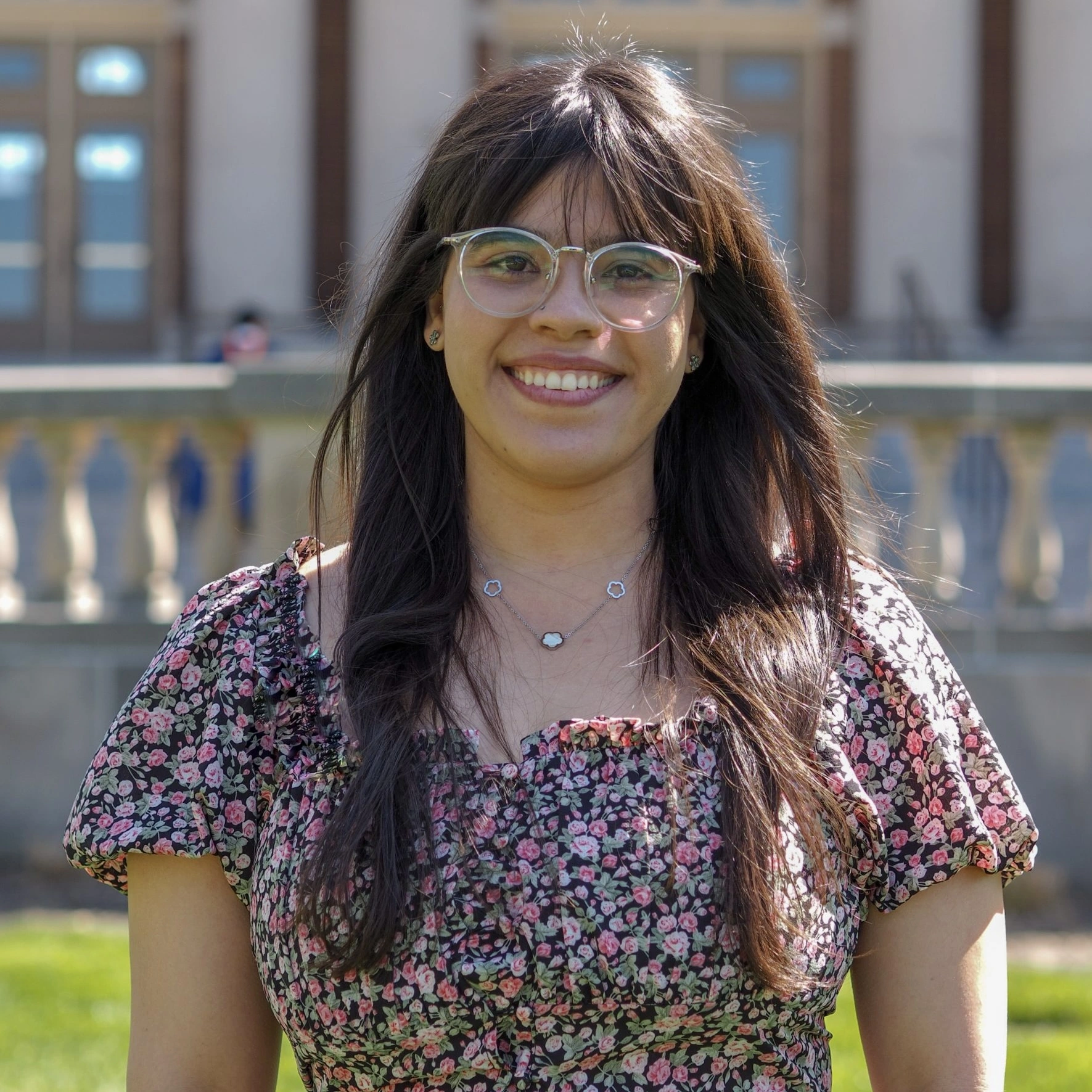
Assistant Professor,
University of Puerto Rico at Mayagüez
Sloan Scholar PhD in Chemical Engineering
University of Illinois-Urbana Champaign
Presenting "Advancing PFAS Treatment Research and Student Mentorship" at the 2025 American Institute of Chemical Engineers Annual Meeting in Boston, MA
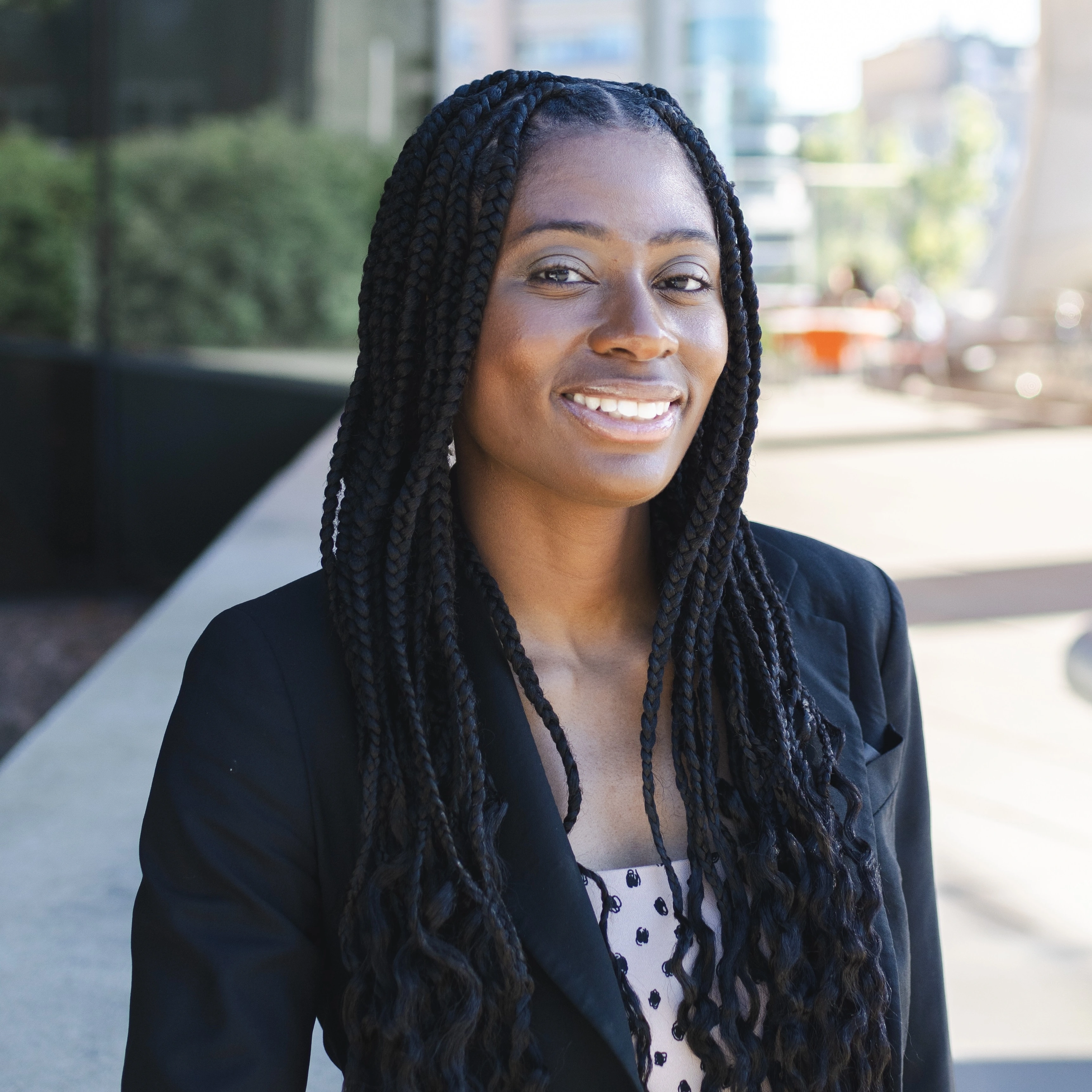
Postdoctoral Research Associate,
University of Maryland - College Park
Sloan Scholar PhD, Cornell University
Presenting "Towards Designing Sustainable Interdisciplinary Creative Ecosystems" at the 2025 a2ru Conference: Creative Futures: Driving Interdisciplinary Innovation Through the Arts in Madison, WI
Postdoctoral Fellow, Georgia Institute of Technology
Sloan Scholar PhD, Georgia Institute of Technology
Presenting "Single-cell genomic profiling of alpelisib response in patient-derived lymphatic malformation tissues: insights from ex vivo and in vitro models" at the Lymphatic Forum 2025 in Chicago, IL
Postdoctoral Research Associate, University of Florida
Sloan Scholar PhD, Georgia Institute of Technology
Presenting "A Framework for Reviewing and Evaluating Programmable Learning Technologies for K-12 Teachers" at the SIGCSE 2026 Technical Symposium on Computer Science Education in St. Louis, MO
Postdoctoral Research Fellow,
University of Texas-Austin
Sloan Scholar PhD
Pennsylvania State University
Attending the Bee Course, Southwestern Research Station, Portal, AZ
Chemistry Lecturer and Director of
Structural Science Facility,
Chemical and Biophysical Instrumentation Center
Sloan Scholar PhD
University of California - Davis
Presenting "Unveiling Hydride Dynamics: Structural Insights from Neutron, X-ray, and Electron Diffraction" at the 75th Annual Meeting of the American Crystallographic Association in Lombard, IL
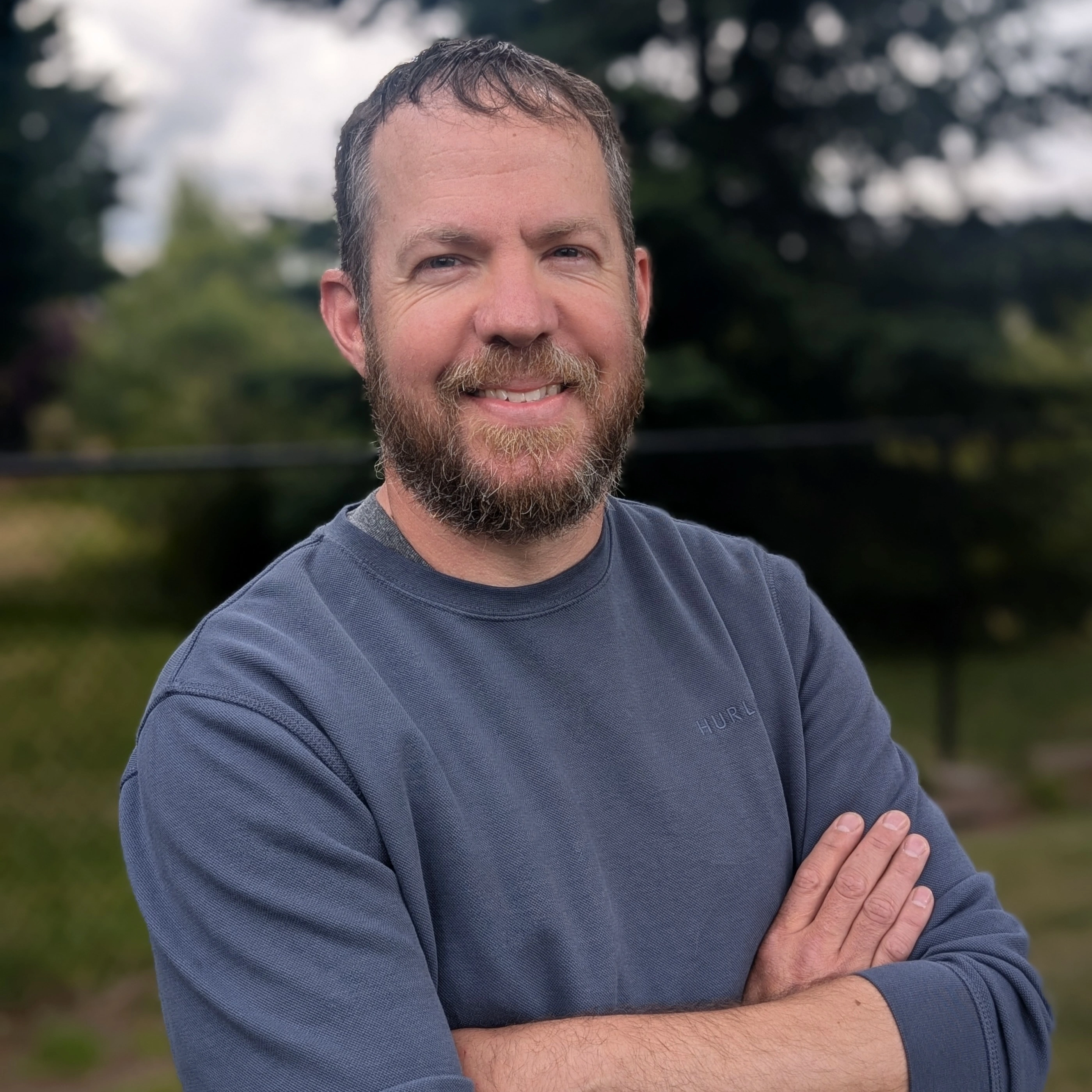
Geologist III, Snohomish County Public Works
Sloan Scholar MS , University of Alaska - Fairbanks
Participating in the 74th Highway Geology Symposium in Morgantown, WV

Postdoctoral Fellow, University of Pennsylvania
Sloan Scholar PhD, Pennsylvania State University
Presenting "Design Space Exploration of Spanning Structures with Embedded Periodic Anticlastic Surfaces" at the International Association for Shell and Spatial Structures (IASS) 2025 Symposium in Mexico City, Mexico
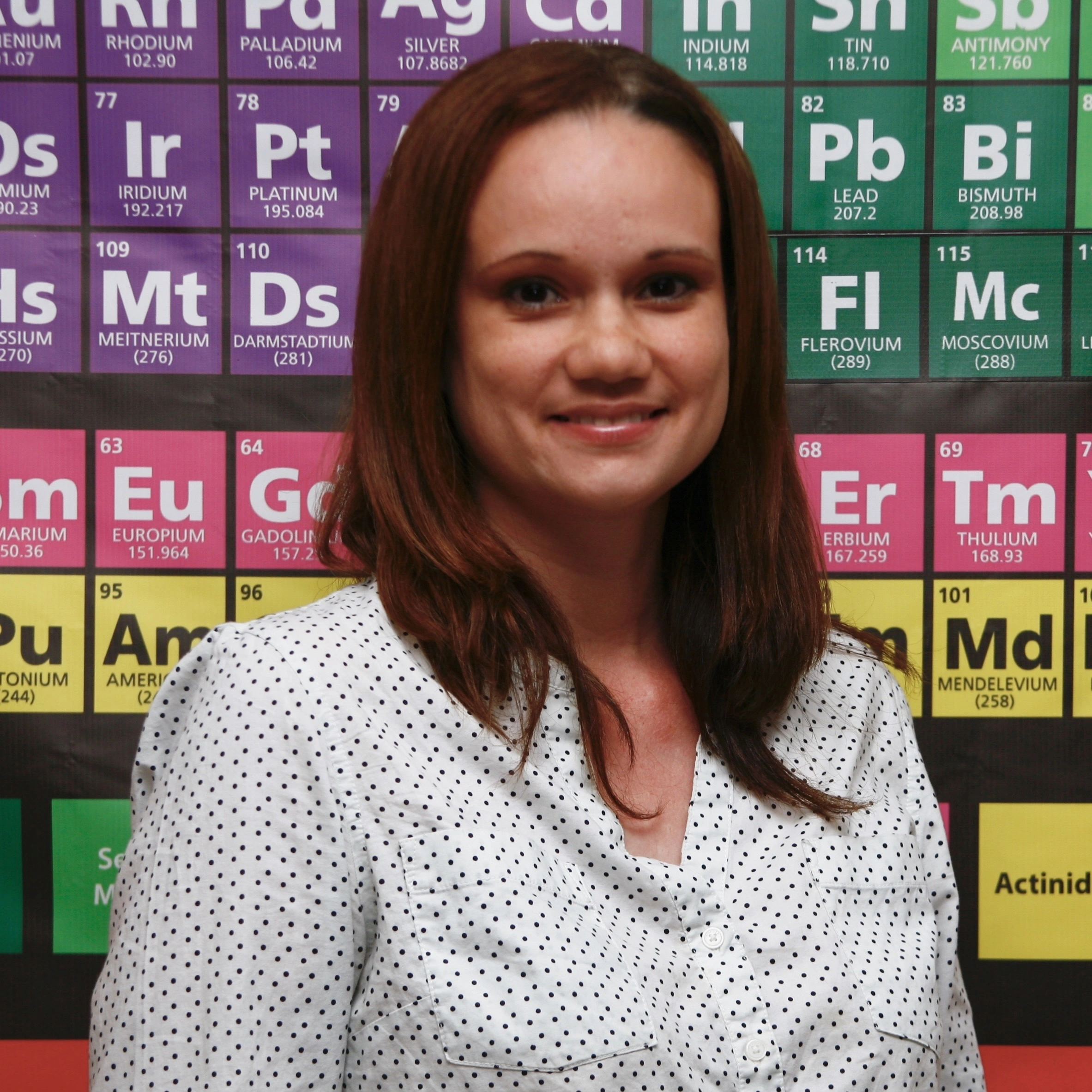
Assistant Professor,
University of Puerto Rico - Ponce
Sloan Scholar PhD
University of Puerto Rico - Mayaguez
Presenting "Synthesis and characterization of alginate-chitosan films as antimicrobials for food package applications" at the 76th Southeastern and 81st Southwest Joint Regional Meeting of the American Chemical Society in Orlando, FL
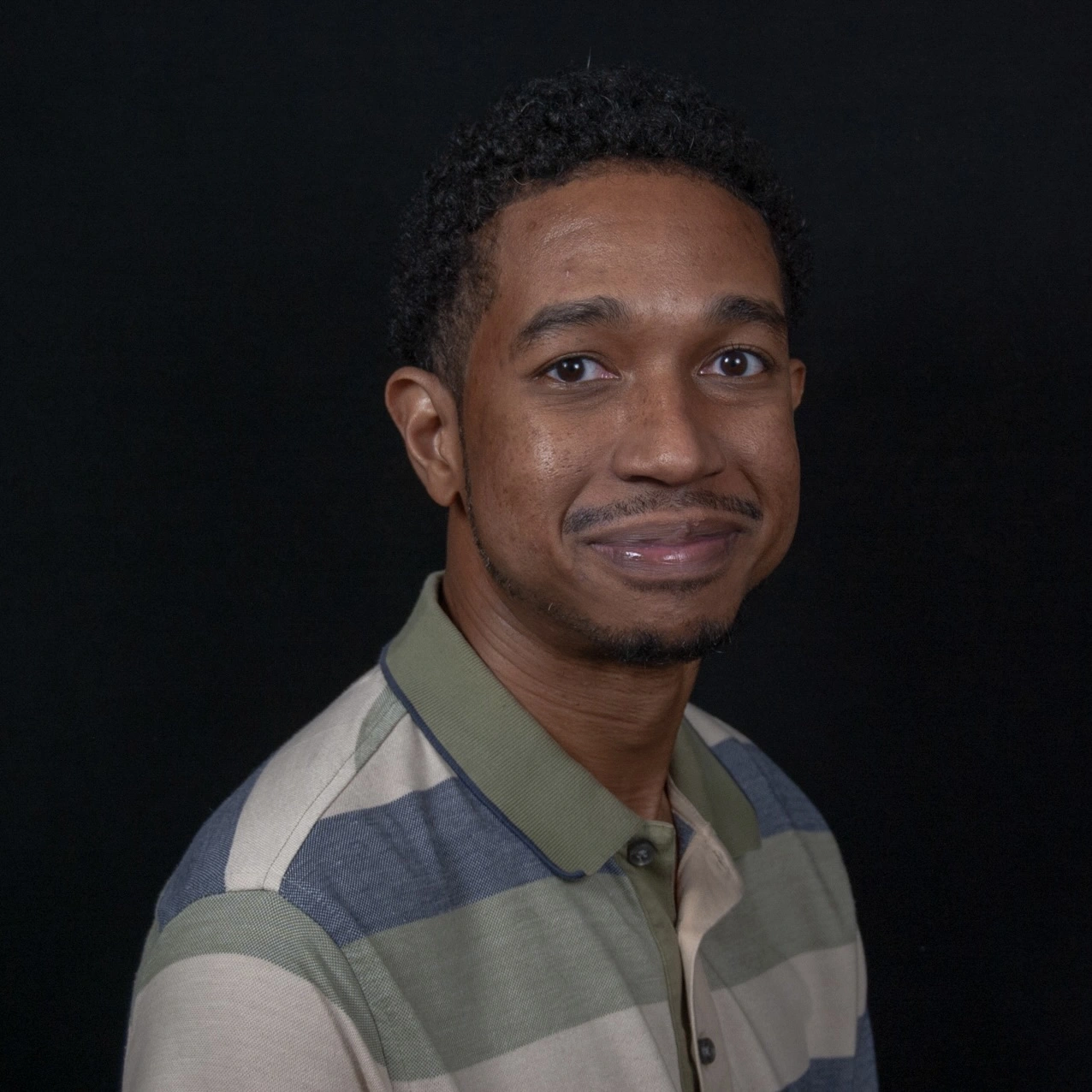
Associate Professor, University of Central Florida
Sloan Scholar PhD, Carnegie Mellon University
Presenting "TGF-β1-induced Venous Endothelial-to-Mesenchymal Transition Reveals Unique Mechanophenotype" at the American Heart Association's Scientific Sessions 2025 in New Orleans, LA
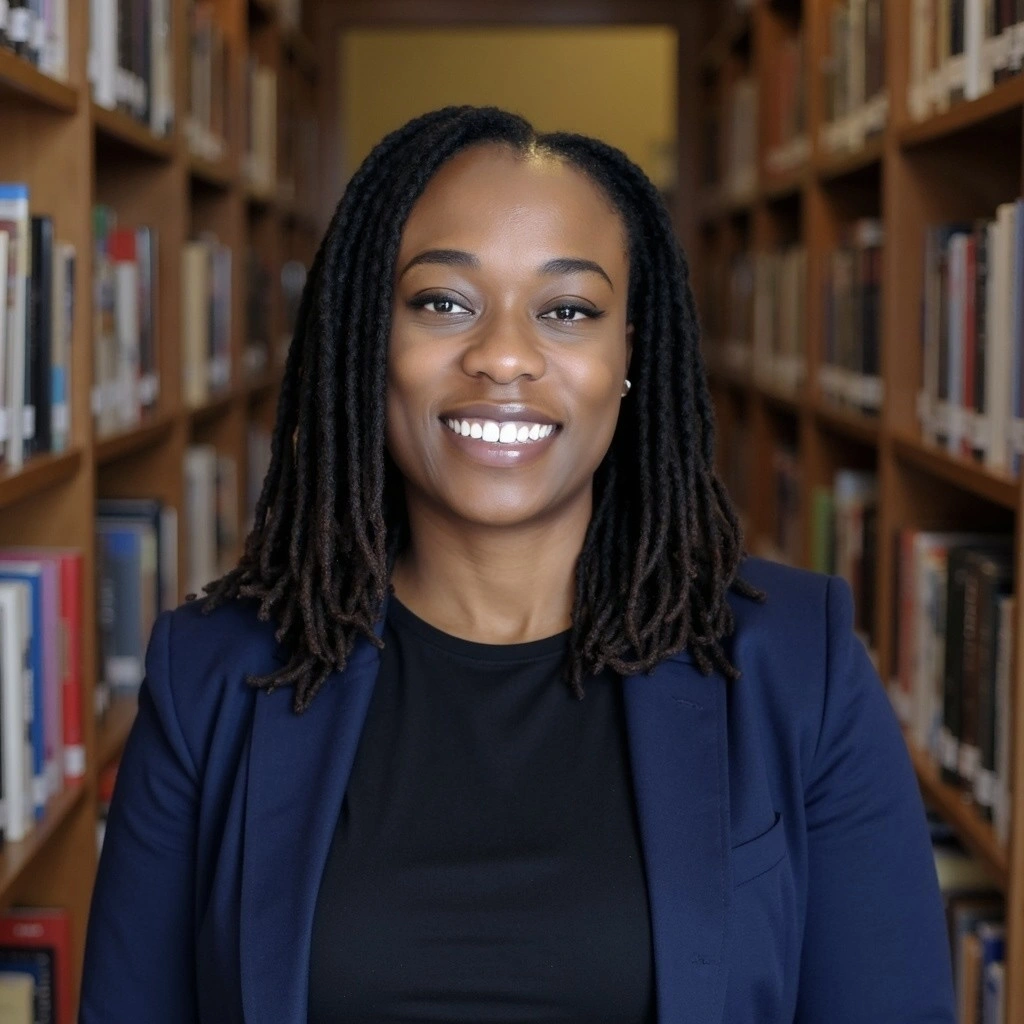
Assistant Professor, Kettering University
Sloan Scholar PhD, Michigan State University
Presenting "Investigation of Metal-Oxide Nanosensors for Early Detection of Electric Vehicle Battery Failure" at IEEE SENSORS 2025 in Vancouver, Canada
Principal Service Designer, Centers for
Disease Control and Prevention
Sloan Scholar PhD in Mechanical Engineering
and Materials Science, Rice University
Presenting "Impossible Futures and the Ethics of Hopelessness" at the Annual Systemic Design Symposium of the Systemic Design Association in Toronto, Canada