
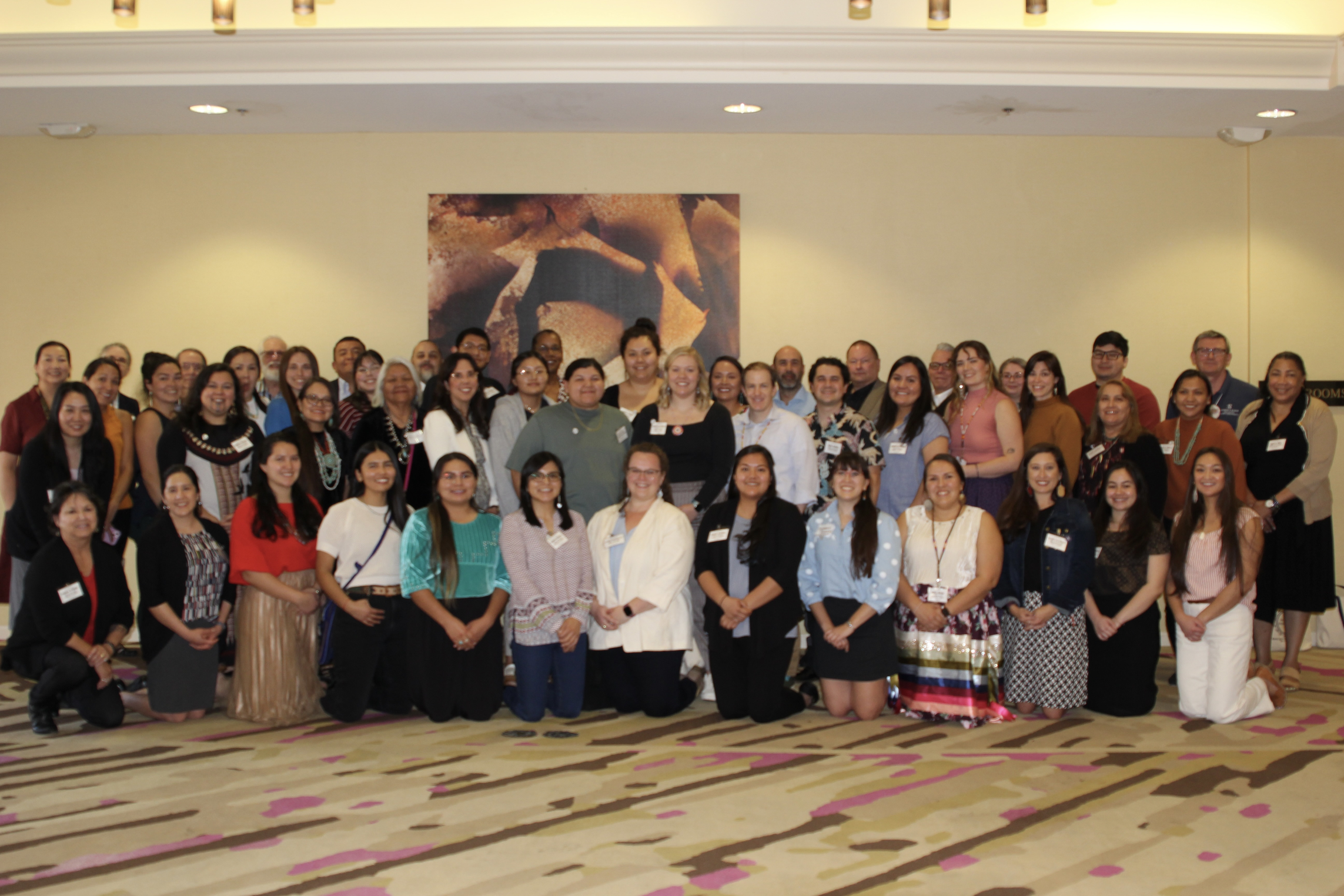
Recap: 2024 Sloan Indigenous Graduate Symposium
Thank you to everyone who joined us for the first Sloan Indigenous Graduate Symposium!
The 2024 Sloan Indigenous Graduate Symposium was truly a memorable event, filled with grounding moments, meaningful conversations, collective sharing, and invaluable learning opportunities.
The symposium agenda was crafted to cater to current SIGP Scholars, all Master's and PhD students in STEM fields, and featured a slate of exercises, panels, and presentations centering on the theme of "Weaving Together STEM, Community, and Culture." Twelve of the 16 session speakers and panelists were SIGP alumni or current scholars, marking the symposium's goal of fostering connections, belonging, and a culture of mentorship within SIGP the community.
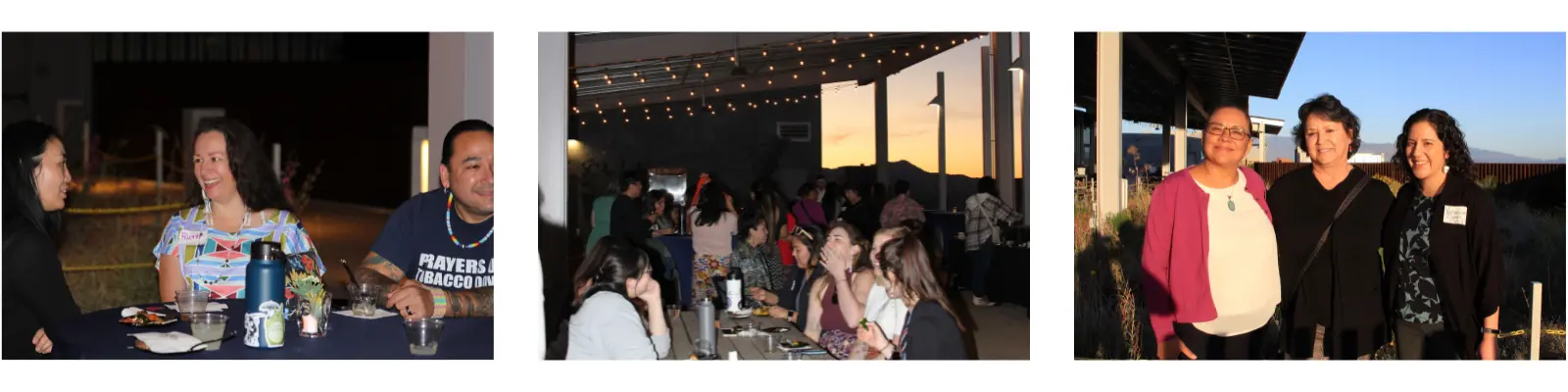
The symposium weekend kicked off with an opening reception at the University of Arizona on Friday evening. Guests had the chance to network, meet fellow SIGP Scholars from other colleges and universities around the country, and enjoy dinner together surrounded by the beautiful Tucson sunset.
With the start of the full-day symposium the next morning, events and talks showcased inspiring journeys of Indigenous scientists. Dr. Karletta Chief (Diné), in her morning keynote, reflected on how she advanced her academic career while centering culture, family, and resilience in the face of challenges. Dr. Chief's story and message of resilience left audience members both moved to tears and feeling inspired.
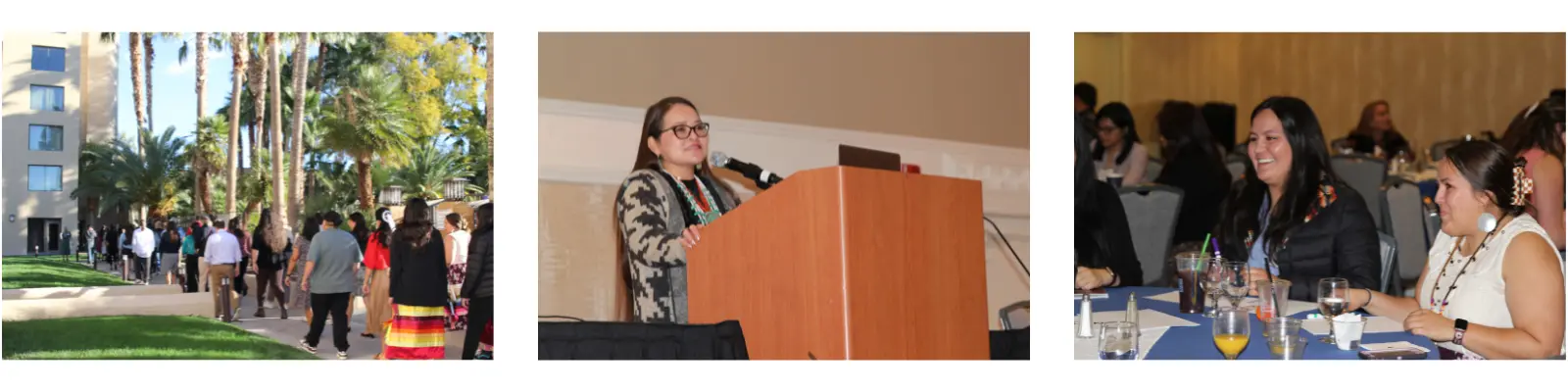
Following Dr. Chief's keynote, Aaron Slater (Navajo), who leads the Indigenous Communities fellowships and programs at MIT Solve, led the group in a community visioning exercise. Attendees were asked to reflect on what roots them in their communities and what they envision for the future wellbeing of those communities. Sharing these reflections in small groups inspired vulnerability and connection among symposium attendees. The exercise set the tone for a powerful panel of Indigenous women scientists, including Dr. Melinda Adams, Chantel Harrison, Dr. Carrie Joseph, and Dr. Monica Tsesthlikai, who discussed leading research and overcoming cultural and institutional challenges.
Mariah Gladstone (Blackfeet, Cherokee) delivered an insightful lunchtime keynote, exploring the history of Indigenous foods, sustainable food systems, and how she is working to reestablish these systems through her educational business, Indigikitchen.
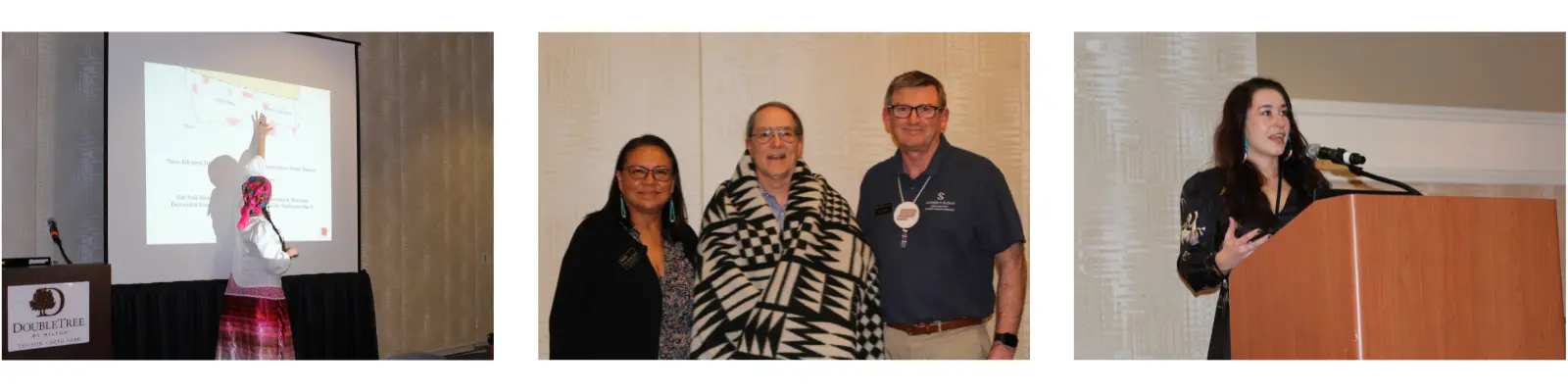
Concurrent sessions featured presentations by Dr. Ruth Plenty Sweetgrass-She Kills (Hidatsa, Mandan, Nakota, Dakota), who spoke about her work with tribal colleges, and Dr. Seafha Ramos (Yurok, Karuk, Chicana), a professor of Indigenous forestry, who shared tools and frameworks she uses to weave Indigenous and Western science in her research and teaching. Dr. Aaron Thomas (Navajo), co-PI for the SIGP program at the University of Montana and associate professor of chemistry and biochemistry there, led a technical session on writing skills, providing scholars with practical approaches to overcoming writing challenges in graduate school.
On the day’s second panel, three researchers discussed different approaches to research funding and crafting strong grant applications: Dr. Otakuye Conroy-Ben, Assistant Professor in the School of Sustainable Engineering and the Build Environment at Arizona State University; Dr. Eileen Spain, Program Director at the Research Corporation for Science Advancement; and Richelle Thomas, 2020 MIT Solve Fellow and researcher in the protection of medicinal plants.
To conclude the day, a panel of SIGP alumni shared insights into their career pathways in government, industry, and nonprofits, offering strategies for networking and professional growth. The evening culminated in a ceremony honoring upcoming SIGP graduates and two SIGP program leaders, Dr. Ron Trosper and Dr. Brian Rasley.
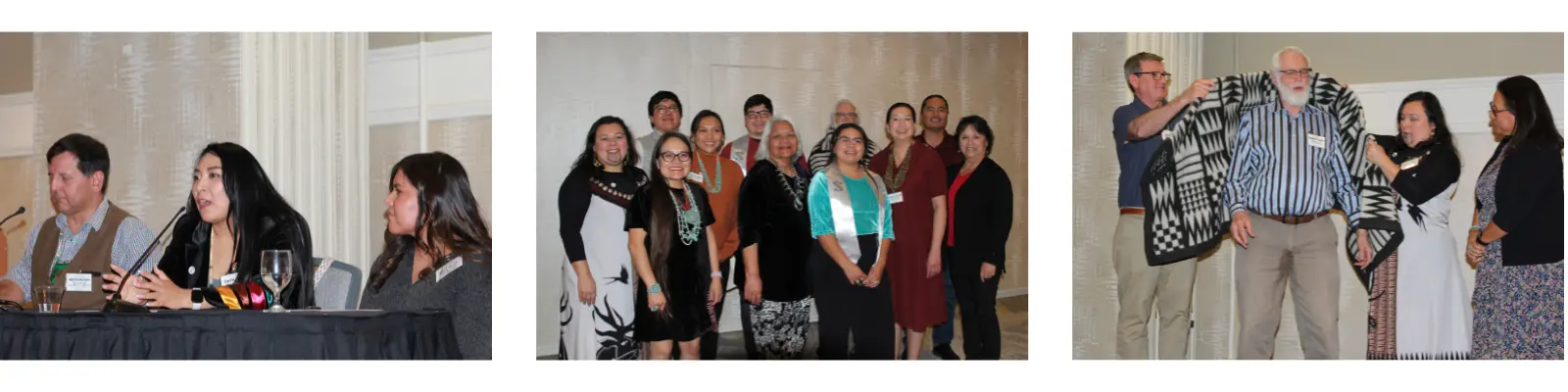
The SIGP Symposium is the first flagship event and the largest gathering yet of the national SIGP program, a consortium of higher-education institutions that has supported the STEM degrees and careers of more than 300 Indigenous scholars to date. Established by the Alfred P. Sloan Foundation and graduating its first two scholars from the University of Arizona in 2005, the SIGP consortium seeks to transform graduate STEM education in ways that support the inclusion of Indigenous perspectives, knowledge, values, and experiences. It currently consists of twelve participating institutions across the U.S., from Fairbanks, Alaska, to Syracuse, New York. Learn more about the national program and each of its partner campuses on the Sloan Foundation website.
We want to extend our deepest gratitude to every attendee, presenter, supporter, and organizer for making this inaugural event possible. We eagerly anticipate the growth of the symposium in the years to come.
Planning for the 2026 SIGP Symposium is already underway, and details will be available soon on our event page.
Thank you to the many hands that made this event possible!
Sincerely,
SIGP Symposium Organizing Committee
With support from the Alfred P. Sloan Foundation, this 2024 symposium was hosted in partnership with the University of Arizona Graduate College, the Sloan Indigenous Graduate Partnership Program, the National Action Council for Minorities in Engineering, and the Sloan Scholars Mentoring Network of the Social Science Research Council.