
Grantee Spotlight: Dr. Diana Sanchez Rivera
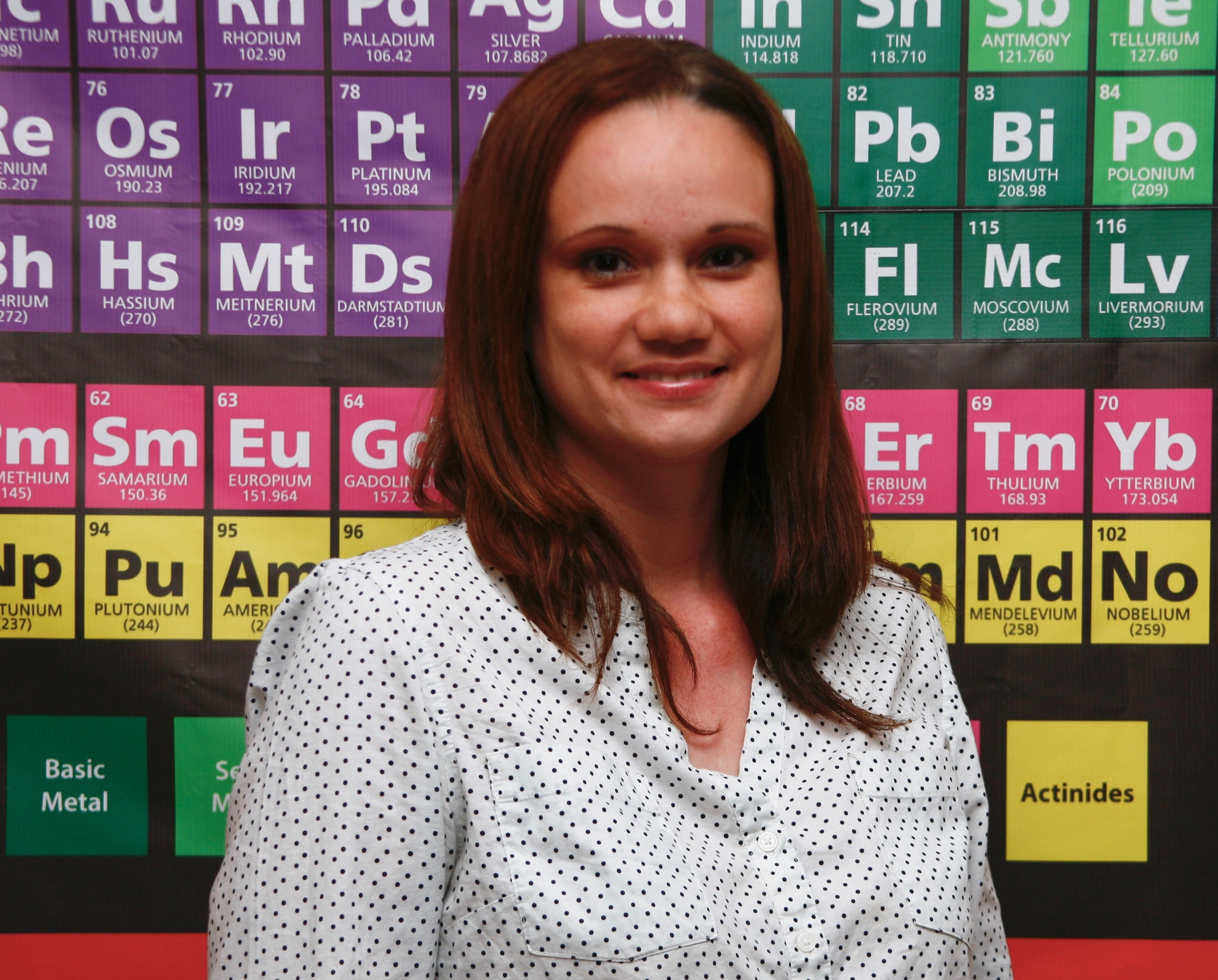
Dr. Diana Sanchez Rivera is a Teaching Professional at the University of Puerto Rico Ponce. She attended the University of Puerto Rico, Mayaguez, where she earned her PhD in applied chemistry as a Sloan Scholar.
In 2023, Dr. Sanchez Rivera was awarded an SSMN Seed Grant to support her research on the use of Alg-Chi-S beads to extract two emerging contaminants from water: naproxen and oxybenzone. These contaminants collect in water systems and are toxic to marine life. Read on to learn more about Dr. Sanchez Rivera's work with undergraduates, her research, and her advice for fellow Sloan Scholars.
1. To start, please share a little about your background (personal and/or academic) and why you chose to pursue a career in STEM.
"I have always been curious about science. A career in STEM allows me to practice and work on ideas to solve real world problems. It is very exciting to collaborate with college partners and students to provide new solutions in the benefit of our community.
2. Tell us about your path to your current position and what you do in your current role.
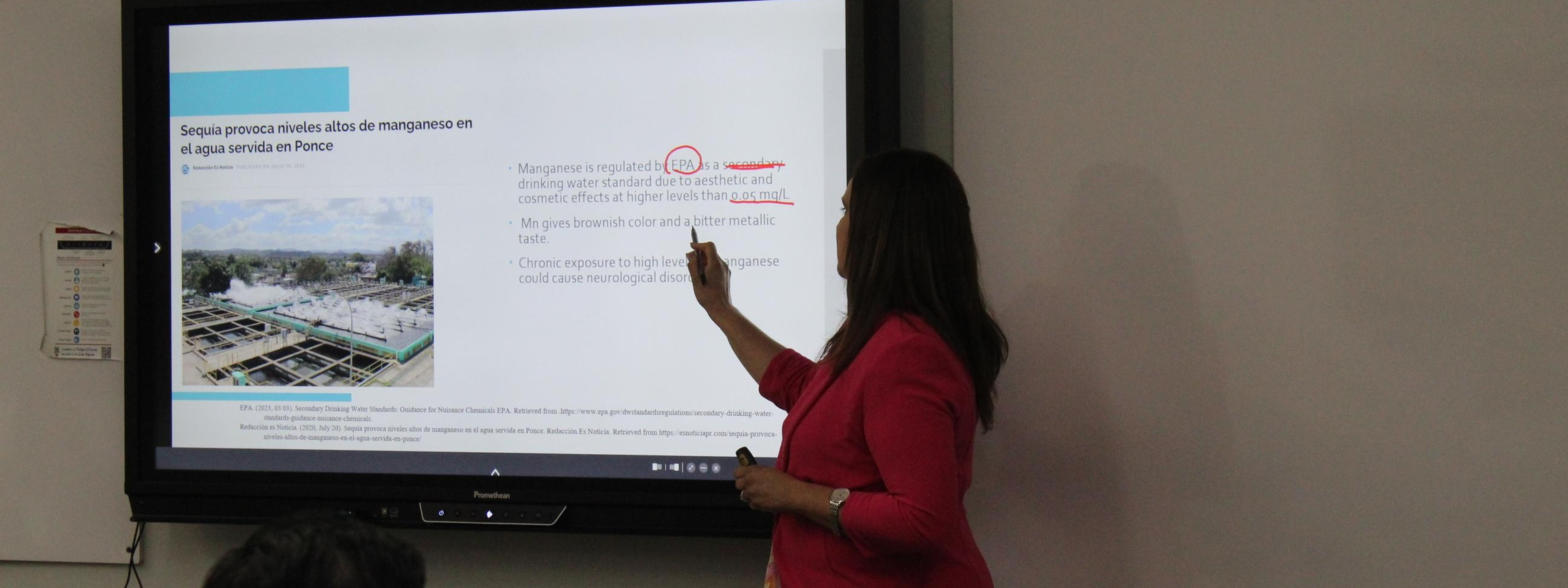
"I am currently assistant professor in the Chemistry and Physics Department at the University of Puerto Rico at Ponce. I teach an organic chemistry course and laboratory and do research with undergraduate students. During my academic journey I realize that the connection and learning process combined with research contributes to the student’s success."
3. Tell us about the research or project that was supported by your SSMN grant.
"My project is based on the synthesis of alginate-chitosan containing sulfur (Alg-Chi-S) beads for the remediation of emerging contaminants from water. Emerging contaminants of interest are oxybenzone and naproxen, among other contaminants that could represent and health and environmental problem but are not regulated by agencies. Oxybenzone is one of the active ingredients in sunscreens, that is related of coral bleaching and naproxen is an anti-inflammatory drug sell over the counter with slow degradation rate in the environment. We synthetized with alginate-chitosan, natural and biodegradable polymers a generic adsorbent for the removal of diverse contaminants."
4. How has receiving an SSMN grant impacted your career and/or research?
"Receiving the SSMN grant allowed my undergraduate students to have the materials and equipment necessary to do research. Also, two students, received a stipend that allow them to spend more time in the laboratory. The students present their research in local scientific meetings that promote engaging and permit new collaborations. The SSMN grant impact positively in my career giving me opportunity to retain more students and have the materials necessary to expand my research and collaborate with other colleagues. I am grateful for the experience that gives me the SSMN grant. "
5. What advice would you share with current Sloan Scholars and fellow Sloan Scholar alumni interested in a similar career path?
"My advice to scholars and fellow (alum) is that collaboration is an essential tool to do interdisciplinary research. Those learning experiences expands our career opportunities in this changing world. Ideas are strength and the work is better designed through collaboration. Enjoy the journey!"